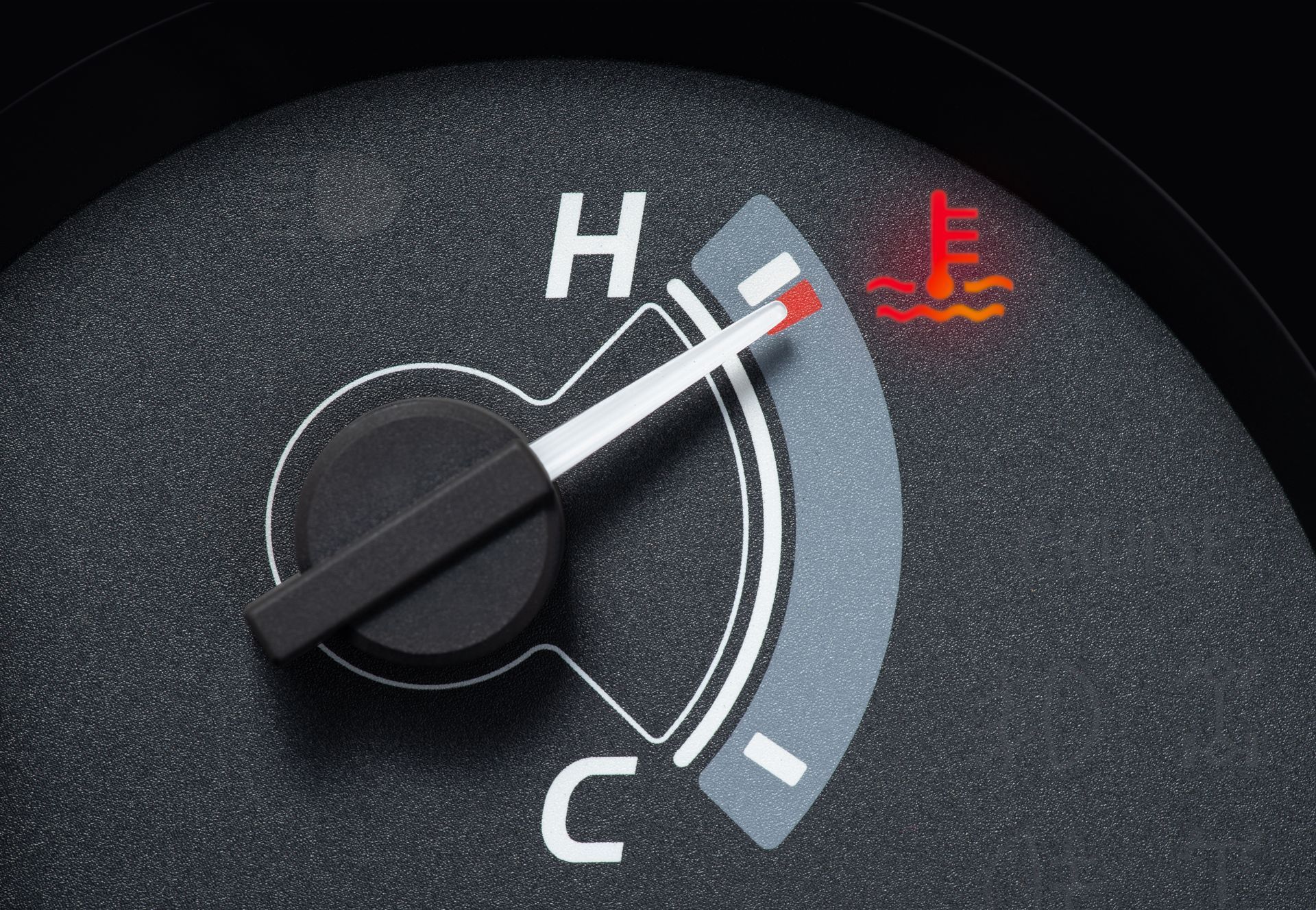
A check engine light makes most drivers want one thing first: the code. That makes sense. A code gives you a starting point, and it feels good to have something more specific than a glowing light on the dashboard. The trouble starts when that code gets treated like the whole answer.
A quick scan can tell you what the car noticed. A professional engine diagnostic looks for why it noticed it. Those are two different things. One gives a clue. The other connects that clue to real testing, actual symptoms, and the condition of the parts involved.
A Trouble Code Points To A System
When a scanner reads a trouble code, it is pulling information stored by the vehicle’s computer. That code may mention an oxygen sensor, misfire, fuel trim, catalytic converter efficiency, evaporative emissions leak, or another monitored system. It sounds specific, but it doesn't always name the failed part.
For example, an oxygen sensor code does not automatically mean the oxygen sensor is bad. The sensor may be reporting a fuel mixture problem, exhaust leak, wiring issue, vacuum leak, or misfire. The code tells the technician where to begin looking. It does not finish the job.
Why Parts Get Replaced Too Quickly
A common mistake is replacing the part named in the code. It feels logical. If the code mentions a sensor, replace the sensor. If the code mentions a misfire on one cylinder, replace the spark plug. Sometimes that works. Many times, it does not.
Cars are connected systems. A weak ignition coil can create a misfire code. So it can be a bad injector, low compression, damaged wiring, a vacuum leak, or a worn spark plug. A failing converter can cause a catalytic converter code, but it can also show up after months of engine misfires or a rich fuel mixture. Replacing parts without testing can turn a simple warning light into a frustrating cycle.
A Professional Diagnostic Looks At Live Data
A quick scan usually reads codes. A real diagnostic goes further. Live data shows what the vehicle is doing while it runs. Fuel trims, sensor readings, misfire counts, airflow data, coolant temperature, oxygen sensor activity, charging voltage, and throttle position can all help tell the story.
Those numbers have to be read in context. A sensor reading can look strange because the sensor is bad or because another problem is forcing it out of range. That is where experience comes in. The technician is not only looking for a number that seems wrong. They are checking whether the number makes sense with the symptom.
The Symptom Still Matters
A good diagnostic starts with what the driver noticed. Did the light come on after getting gas? Does the engine shake at stoplights? Does the car hesitate only when climbing a hill? Did the warning appear after a battery replacement or during cold weather?
Those details help narrow the search. A code without symptoms is still useful, but it is incomplete. The way the car starts, idles, shifts, accelerates, smells, and sounds can point the technician toward the real cause. Even small details can save time when they are paired with scan data and a hands-on inspection.
Some Problems Need Physical Testing
Not every issue can be solved through a scanner. A scan tool cannot see a cracked hose, loose ground, corroded connector, leaking gasket, clogged filter, weak battery cable, or damaged intake boot. It also cannot measure compression on its own or verify that the fuel pressure is correct without the proper tests.
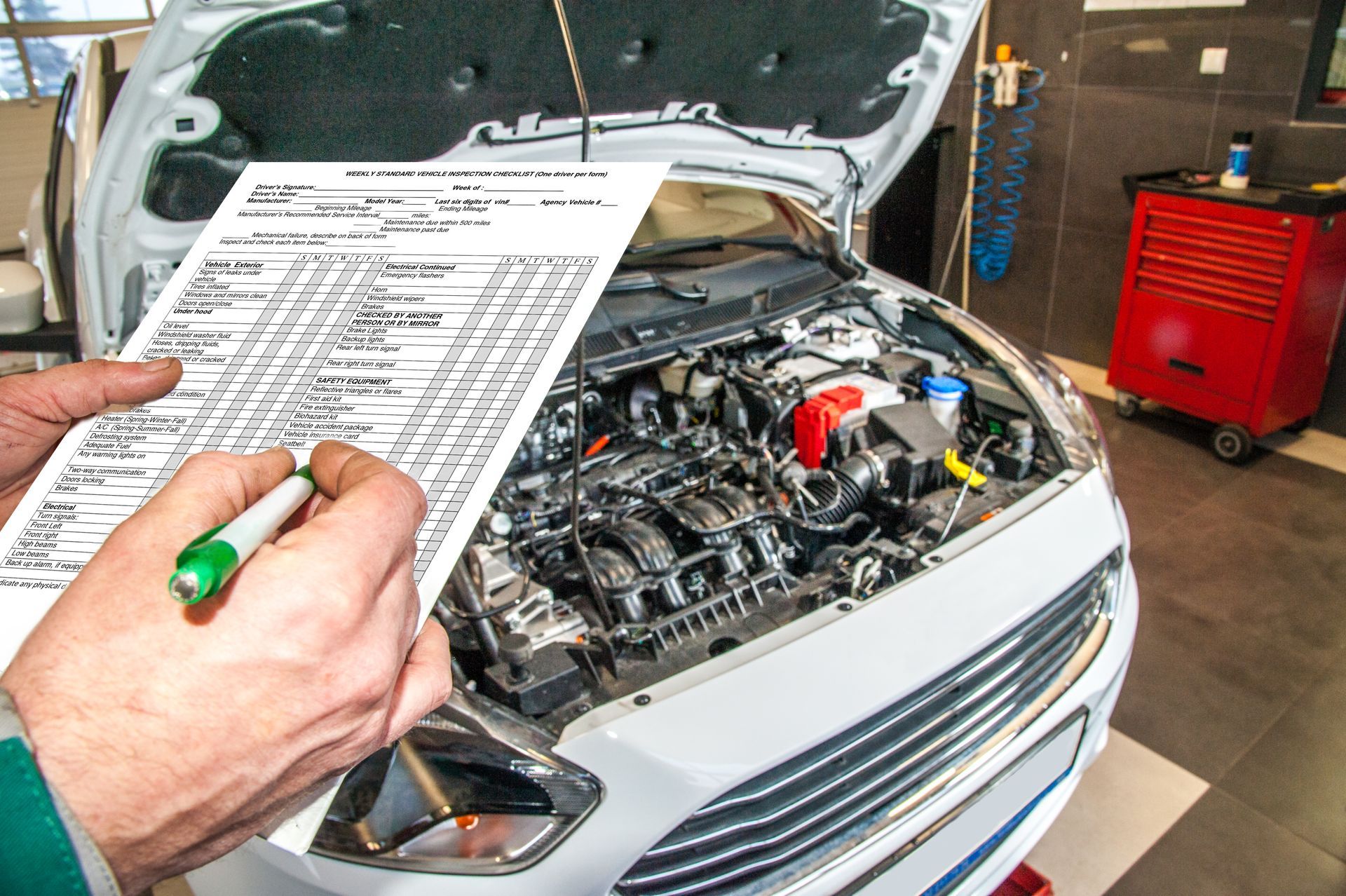
Physical testing may include checking vacuum leaks, smoke testing an intake or EVAP system, measuring fuel pressure, testing ignition output, inspecting wiring, checking battery voltage, or confirming exhaust leaks. Regular maintenance can reduce some warning light issues, but when a light is already on, testing helps confirm what actually failed.
What A Diagnostic May Include
The exact process depends on the vehicle and the code, but a proper diagnostic can include several steps:
- Reading stored and pending codes
- Reviewing freeze-frame data
- Checking live sensor readings
- Road testing the vehicle
- Inspecting wiring and connectors
- Testing fuel, ignition, air, or exhaust systems
- Verifying the repair after service
That process takes more effort than a basic scan. It also gives a much better chance of fixing the actual problem instead of chasing the most obvious code description.
Why The Cheapest Answer Can Become Expensive
A free or quick code scan can be helpful, but it can also create false confidence. If the code is treated as the repair plan, you may buy a part that the car did not need. Worse, the original problem can keep damaging other parts while everyone focuses on the wrong target.
A professional diagnostic may cost more at the start, but it can save money by avoiding unnecessary parts. It also helps protect the vehicle from repeat failures. If an engine problem damages a sensor or catalytic converter, the root cause has to be found, not only the part that complained first.
Get an Engine Diagnostic In East Amherst, NY, With Gerry's Service
If your check engine light is on, Gerry's Service in East Amherst, NY, can perform a thorough engine diagnostic rather than relying on a quick code scan alone.