Walk into our shop on any given Tuesday, and you’ll likely see a car up on the lift with its guts spilled out. More often than not, it’s a transmission job. As mechanics, we’ve noticed a pattern: most transmission failures aren't just bad luck or planned obsolescence. Usually, they are the result of tiny, repetitive habits that drivers don’t even realize are doing damage.
The "Rolling Reverse" and Other Gearbox Sins
We see this one all the time in the grocery store parking lot. You’re in a hurry, you back out of a space, and while the car is still rolling backward at 2 or 3 mph, you shift it into Drive.
In that split second, you are asking a small set of friction plates and a handful of fluid to instantly stop several thousand pounds of moving metal and force it in the opposite direction. It might not break the first time, but it’s essentially like sanding down your internal clutches. Over time, this leads to slipping gears and delayed engagement.
The Pro Tip: Always come to a complete, 100% stop before moving the gear selector. Your brakes are designed to stop the car; your transmission is designed to move it. Brakes are much cheaper to replace.
The "N" isn't for "No Gas"
With gas prices being what they are lately, everyone is looking for a shortcut. We’ve had a few customers ask if shifting into Neutral while going down a long hill saves fuel. Not only is this a myth (modern fuel-injected engines are actually smarter than that), but it’s also dangerous for your transmission.
When you shift into Neutral at high speeds, the internal pump speed often drops because it's tied to engine RPM. However, the output shaft is still spinning at highway speeds. This can lead to insufficient lubrication and overheating. Plus, when you eventually shift back into Drive at the bottom of the hill, you’re hitting the drivetrain with a massive surge of torque that it wasn't prepared for.
Heat Is The Silent Killer
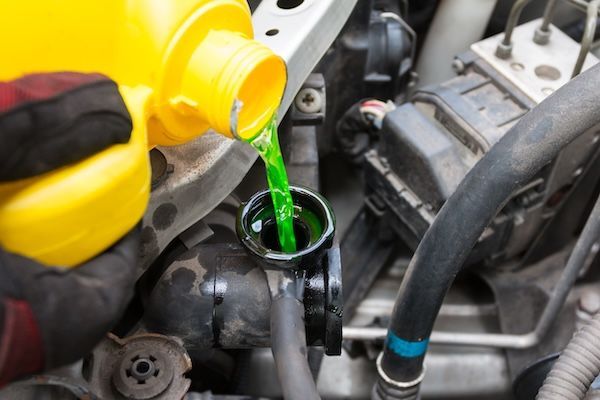
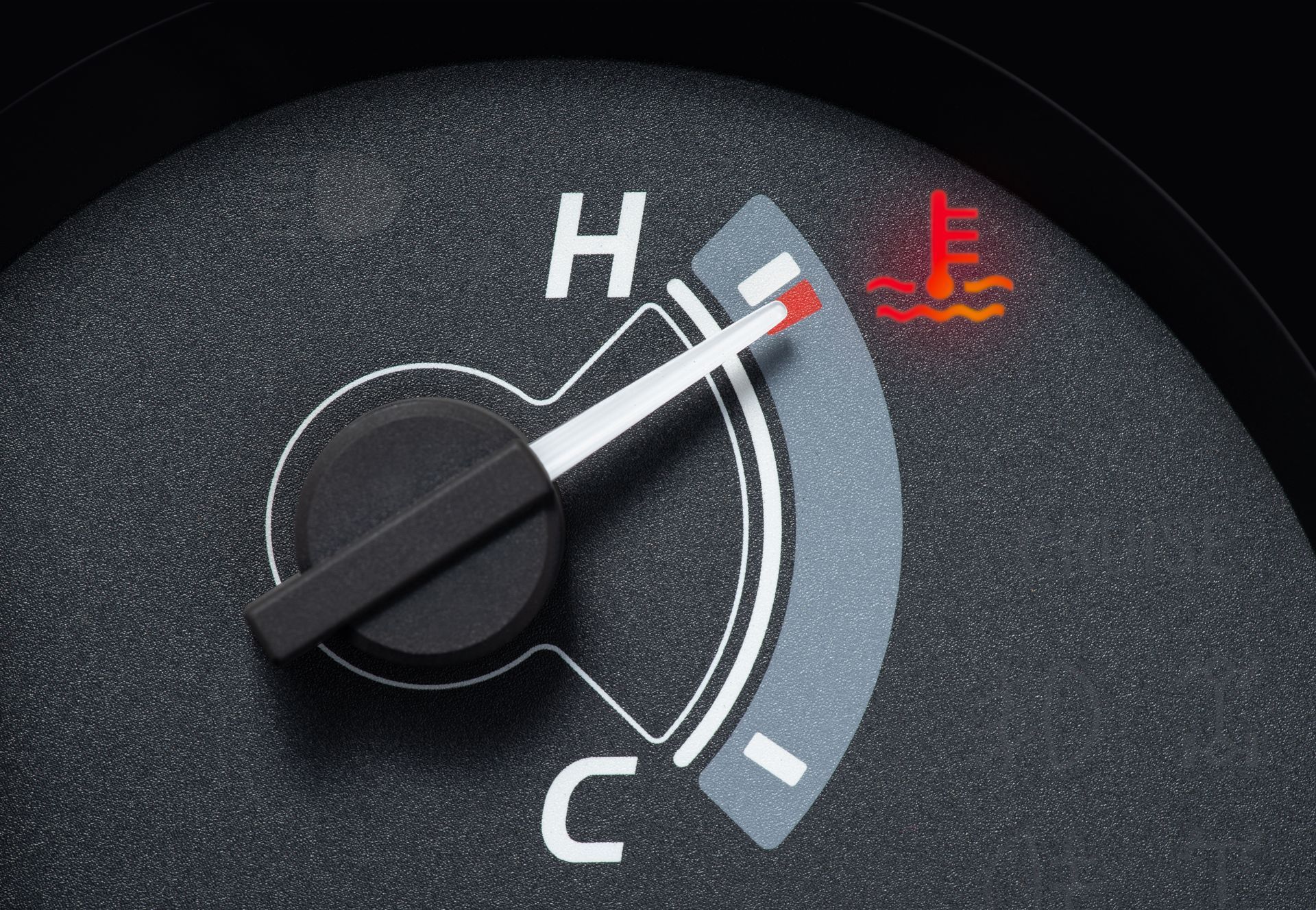
If you ask any of our techs what kills transmissions, they won’t say it’s from bad luck, but they’ll say heat. Transmission fluid is designed to lubricate, but it also acts as a coolant. When the fluid gets too hot, it breaks down and loses its ability to protect the metal surfaces.
The Stop-and-Go Grind
We live in a world of traffic jams. Creeping along at 5 mph for an hour is actually harder on your transmission than driving 70 mph on the highway. In stop-and-go traffic, the transmission is constantly shifting between first and second gear, engaging and disengaging the torque converter.
If you find yourself in a total standstill, try to leave a bit of a gap rather than creeping forward every few inches. This allows the transmission to fully engage a gear rather than living in that high-friction halfway state.
Using Park as a Kickstand
Next time you park on a hill, pay attention to that clunk when you shift out of Park. That sound is the parking pawl, a small metal pin, being forced out of a notch. When you let the car roll until it stops against the transmission, you’re putting the entire weight of your vehicle on a piece of metal about the size of your thumb.
The correct way to park:
- Stop the car with your foot on the brake.
- Set the parking brake (emergency brake).
- Shift into Park.
- Let go of the foot brake.
This ensures the car's weight is borne by the actual brakes, leaving your transmission stress-free.
When to Give Gerry's Service a Call
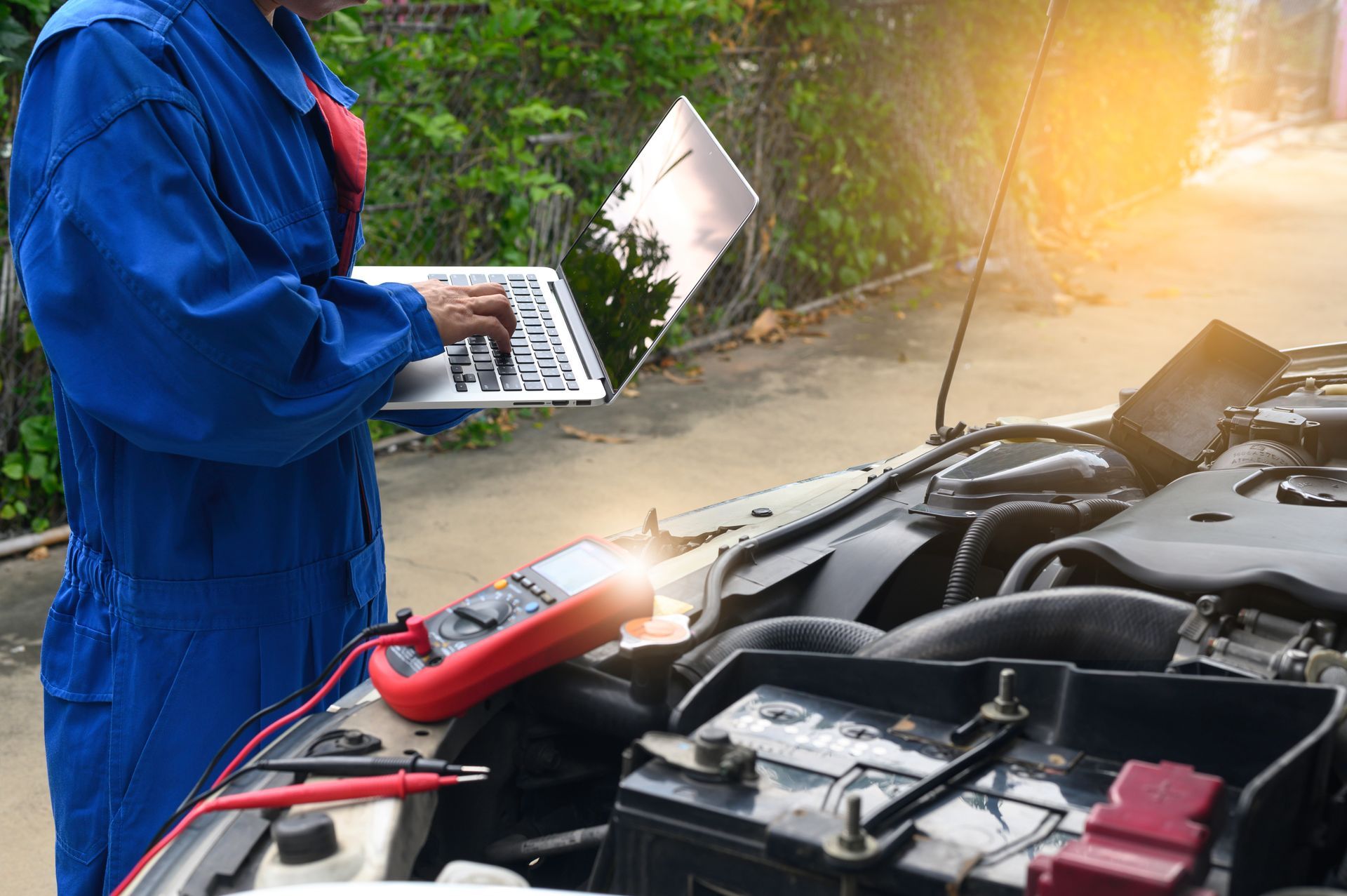
Does your car feel like it's hunting for gears, or have you noticed a strange leak in your driveway? Don't wait for a tow truck to bring you to us. Bring your car by Gerry's Service in East Amherst, NY, today for a transmission inspection. We’ll check your fluid levels, scan for hidden codes, and make sure your gears are ready for many more miles.
For added convenience, schedule your appointment online with us!