Your vehicle’s cooling system plays a critical role in protecting the engine from overheating and severe damage. At the centre of that system is coolant (also known as antifreeze), a specially formulated fluid that regulates engine temperature and prevents corrosion. While many drivers remember oil changes and tire rotations, coolant service is often overlooked.
So, how often does your vehicle need a coolant flush? The answer depends on your vehicle, driving habits, and the type of coolant used—but regular maintenance is essential to avoid costly repairs.
What Does Coolant Do
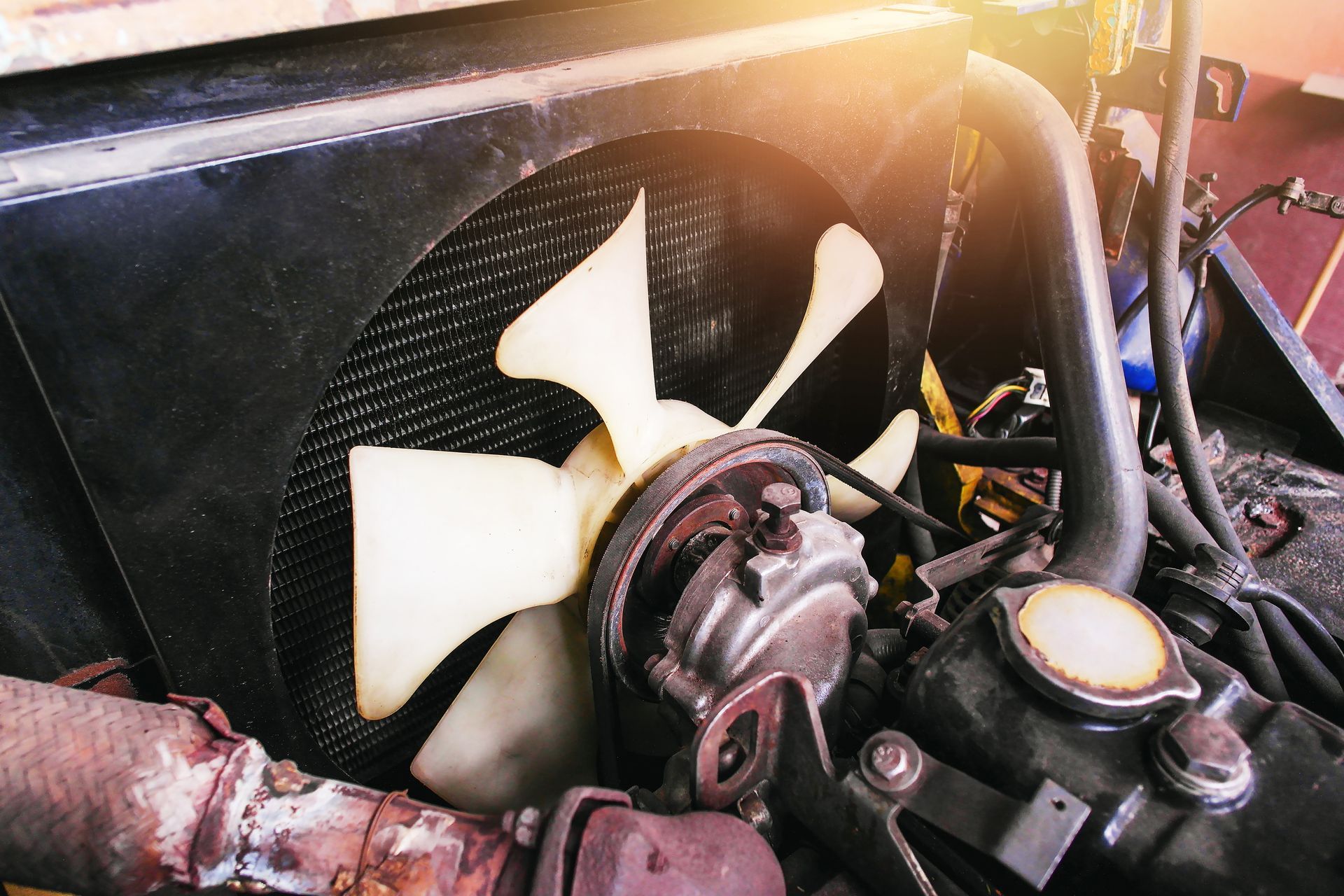
Coolant circulates through your engine and radiator, absorbing excess heat and releasing it through the radiator. It also prevents freezing in cold temperatures and protects engine components from rust and corrosion.
Over time, coolant breaks down and becomes contaminated. As it ages, it loses its ability to regulate temperature effectively and protect internal engine parts. That’s when a coolant flush becomes necessary.
General Coolant Flush Intervals
Most manufacturers recommend a coolant flush every 3 to 5 years. However, this range varies by vehicle and coolant type.
Some newer vehicles use extended-life coolants that last longer, while older vehicles may require more frequent service. Always refer to your owner’s manual for manufacturer recommendations or consult a professional technician for guidance.
Signs Your Vehicle May Need a Coolant Flush
Even if you haven’t reached the recommended interval, certain warning signs may indicate it’s time for service.
Watch for these common symptoms:
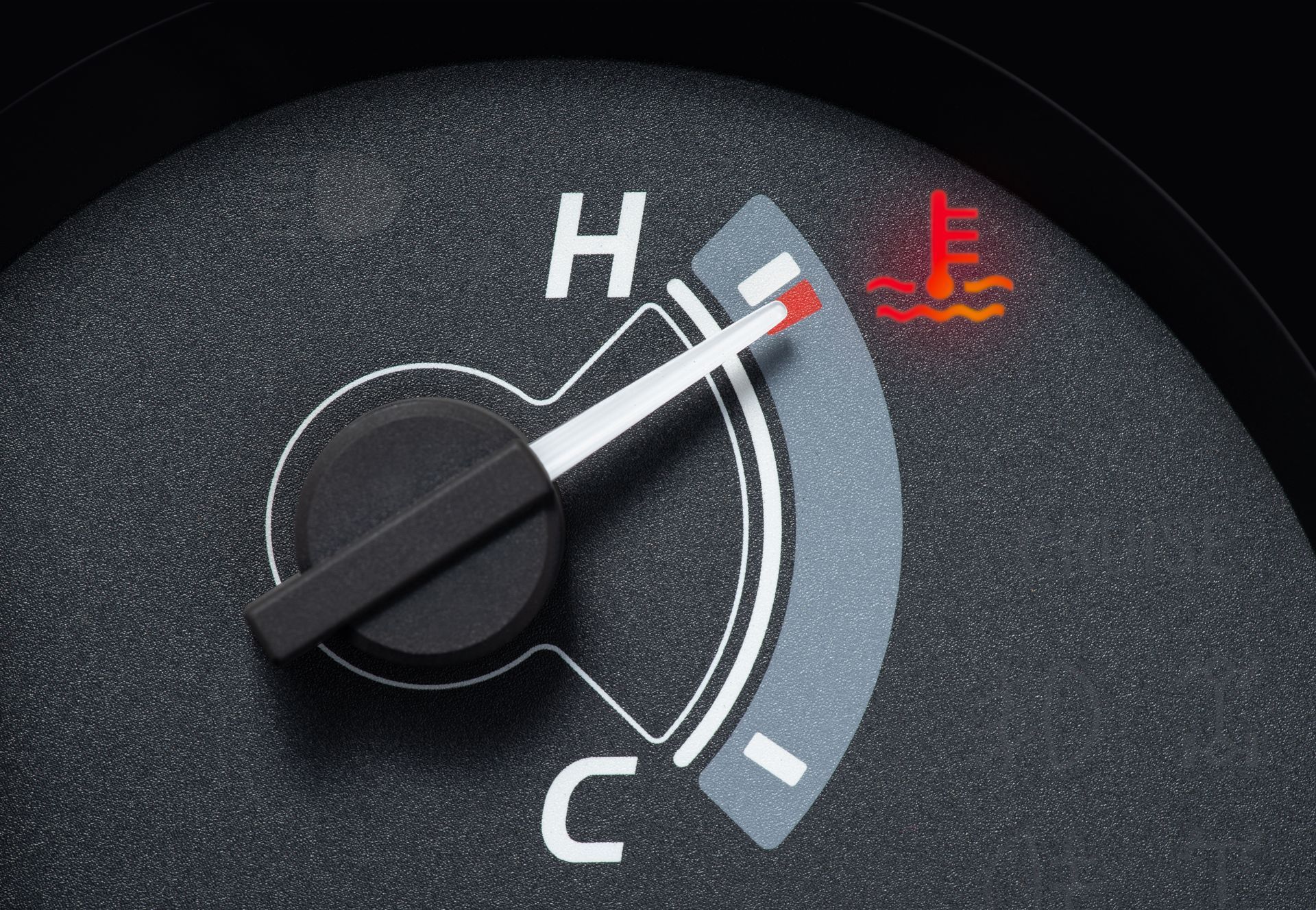
- Engine running hotter than normal
- Temperature gauge fluctuations
- Rust-colored or dirty coolant
- Sweet smell coming from the engine area
- Visible coolant leaks
Ignoring these signs can lead to overheating, which may cause serious engine damage.
What Happens During a Coolant Flush
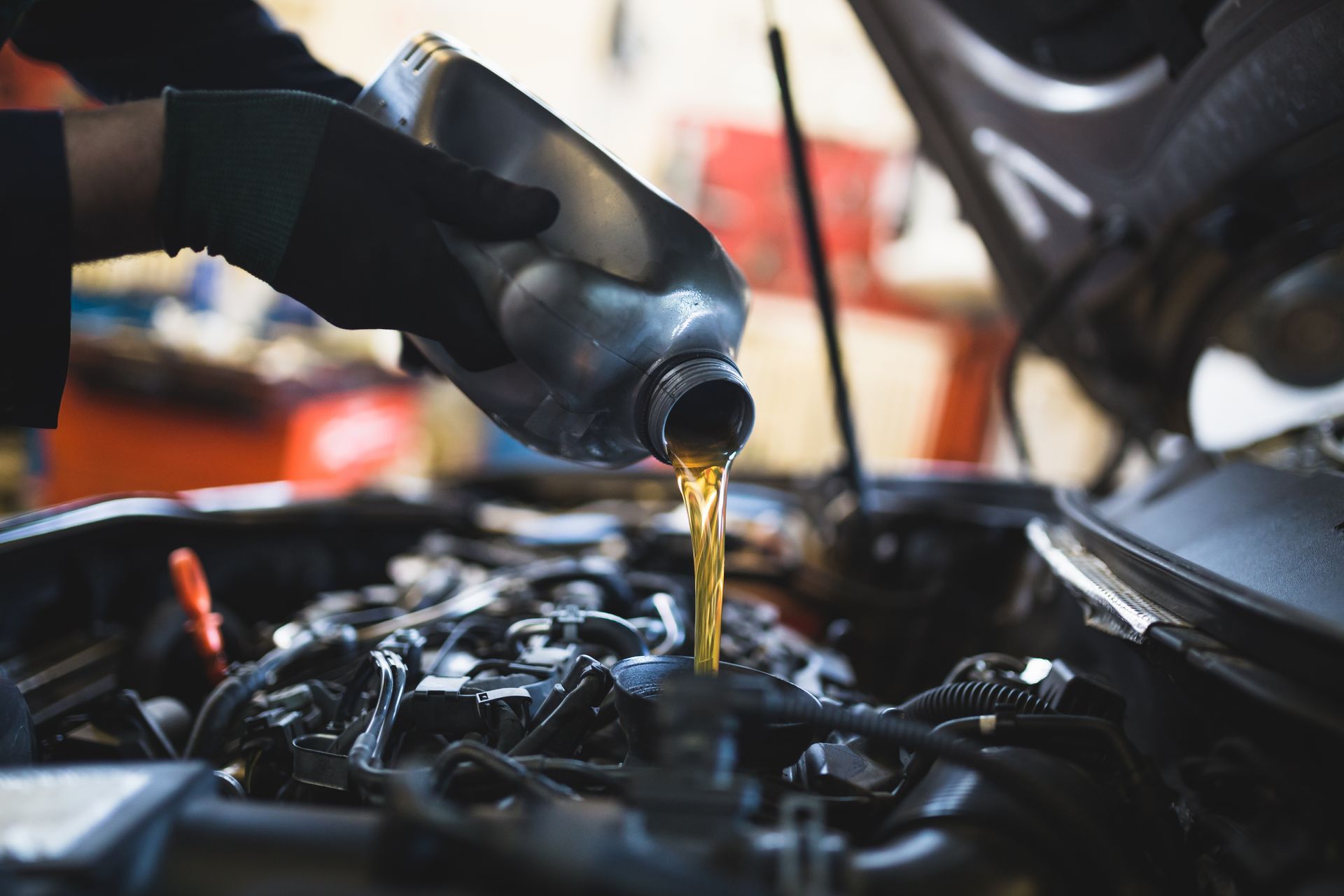
A coolant flush involves draining the old coolant from the system, flushing out debris and contaminants, and refilling it with fresh coolant that meets manufacturer specifications.
This process removes built-up rust, scale, and sludge that can restrict coolant flow and reduce efficiency. It also restores the coolant's protective properties, helping prevent corrosion and overheating.
Why Coolant Maintenance Is Important
Neglecting coolant service can lead to several issues. As coolant degrades, it becomes acidic and can damage components such as the radiator, water pump, hoses, and heater core. Over time, corrosion can form inside the cooling system, reducing performance and potentially causing leaks.
In extreme cases, insufficient cooling can result in engine overheating, warped cylinder heads, or blown head gaskets—repairs that are significantly more expensive than routine maintenance.
Climate and Driving Conditions Matter
Driving conditions can affect how often coolant service is needed. Stop-and-go traffic, towing, heavy loads, and extreme temperatures place additional strain on the cooling system.
If you frequently drive in hot weather or demanding conditions, more frequent inspections may be beneficial to ensure optimal cooling performance.
Professional Cooling System Inspections
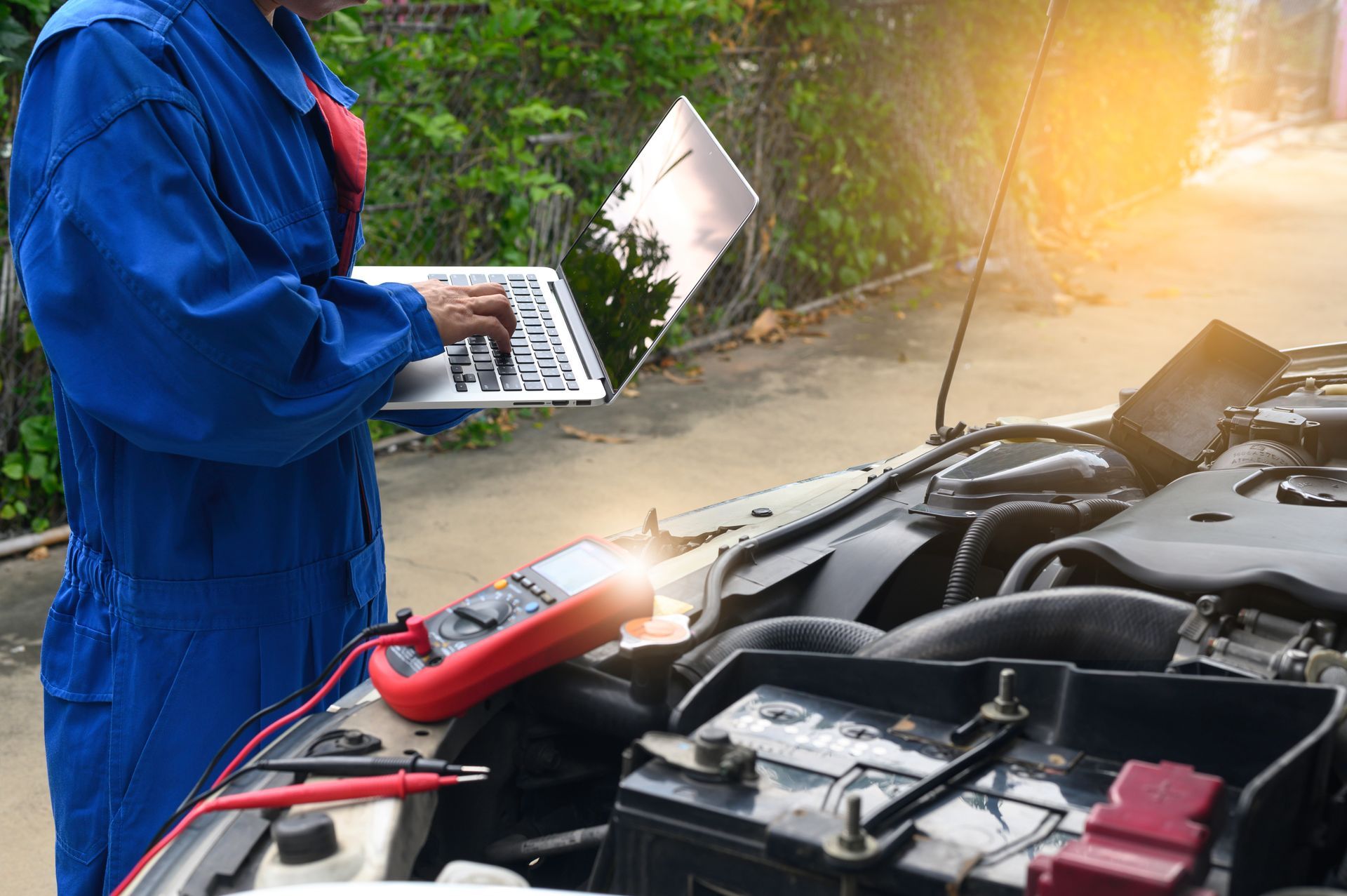
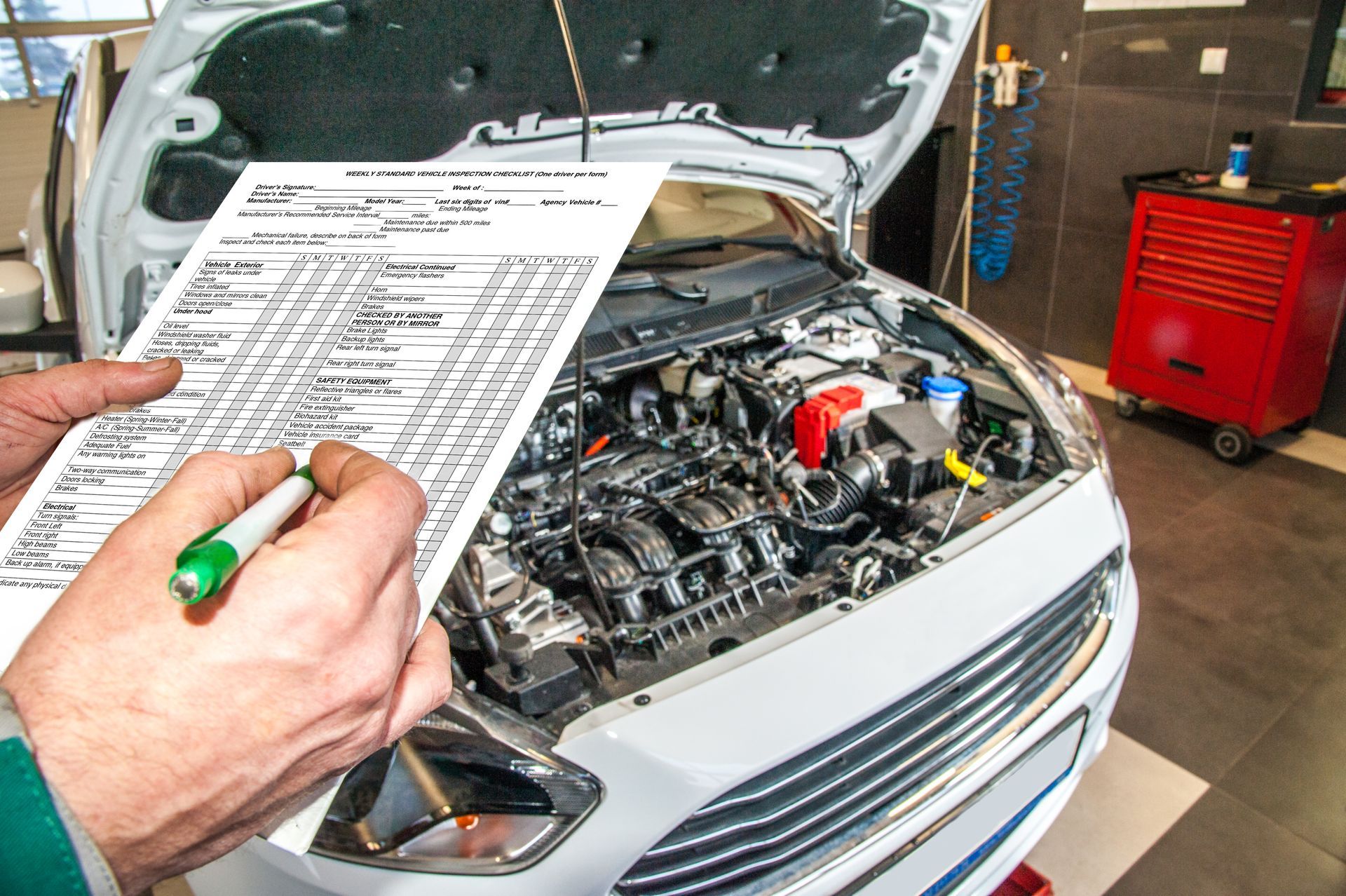
Regular inspections can help identify cooling system issues early. Technicians can test coolant condition, check for leaks, inspect hoses and belts, and ensure proper operation of the radiator and thermostat.
Proactive maintenance helps prevent breakdowns and extends the life of your engine.
Schedule Your Coolant Flush Today
Your cooling system is essential to your engine’s health and performance. Waiting too long between coolant flushes can increase the risk of overheating and expensive repairs. If you’re unsure when your coolant was last serviced, or you’re experiencing temperature-related issues around East Amherst, contact the team at Gerry's Service today. We can help you schedule a cooling system inspection. Regular coolant maintenance keeps your engine protected and running efficiently for the long haul.