When the engine temperature warning light comes on, it can feel like a countdown has started under the hood. The gauge climbs higher than normal, or a red thermometer icon suddenly appears on the dash. A little knowledge about that light goes a long way toward preventing serious engine damage.
Why the Engine Temperature Warning Light Exists
Engines are designed to run in a narrow temperature window. Too hot and metal parts swell, oil breaks down, and gaskets and seals can fail. The warning light is there to tell you the engine is leaving that safe zone, so you can react before something gives out. On many cars, a red thermometer or “HOT” symbol means the computer sees a real overheating condition, while some models also show a blue light when the engine is still cold.
Common Reasons the Temperature Warning Light Turns On
The dashboard light is only the messenger. A few of the most common causes include:
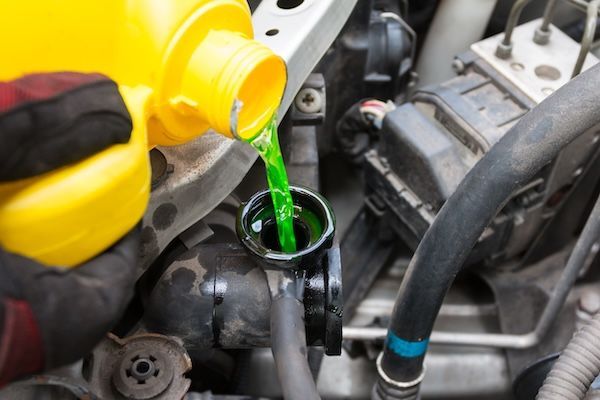
- Coolant level is low due to a leak or recent work
- The thermostat is stuck closed or opening too late
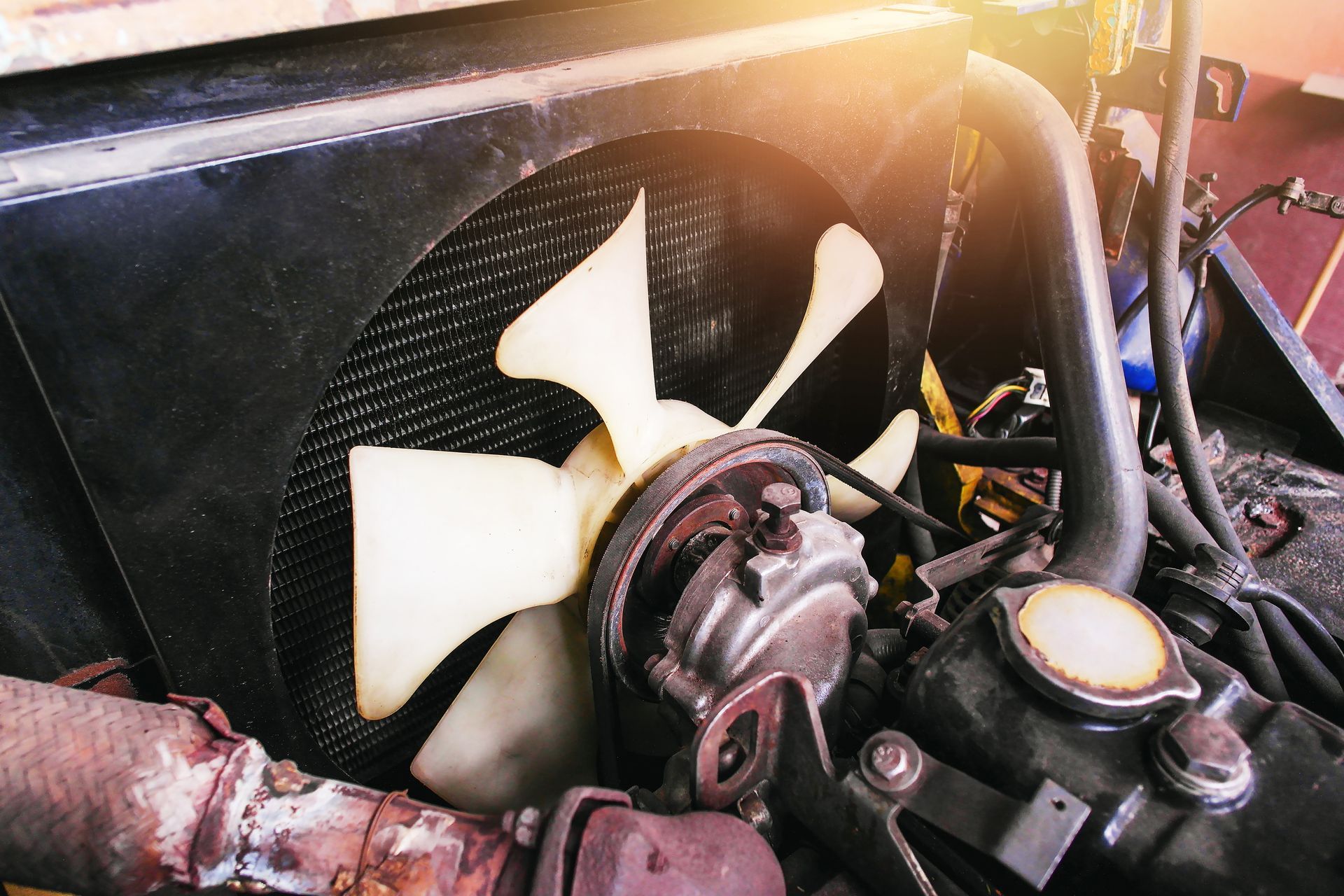
- An electric cooling fan or a relay that never switches on
- Clogged radiator or restricted coolant passages
- Faulty coolant temperature sensor or wiring problem
Some of these cause true overheating, others simply confuse the computer. A proper diagnosis starts with deciding whether the engine is actually hot or the data it is seeing is wrong.
How Overheating Usually Develops
Most engines do not jump straight from normal to disaster. Early on, you might notice the gauge creeping higher during long hills or in stop-and-go traffic, or the cabin heater blowing cooler air than usual. You might also catch a faint sweet smell from coolant starting to drip onto hot parts.
Once the light comes on and stays on, things are more serious. You may see steam, feel the engine lose power, or notice rough running. Keep driving at this point, and temperatures can climb high enough to warp cylinder heads and blow head gaskets, turning a cooling system repair into possible engine replacement.
What To Do (And Not Do) When the Light Comes On
How you react when the light appears has a big influence on how much damage happens. Some mistakes to avoid are:
- Staying at highway speed “just a bit longer”
- Opening the radiator cap while the engine is hot
- Dumping cold water onto a very hot engine
- Clearing the warning with a scanner and pretending it is solved
A better plan is to ease off the throttle, turn the cabin heater on high to pull some heat from the engine, and move to a safe place to stop. Once parked, shut the engine off and let it cool completely before you check the coolant level in the reservoir or look under the hood more closely.
Can You Really “Reset” the Engine Temperature Warning Light?
You can clear codes with a scan tool or by disconnecting the battery, but that only erases the message. If the engine is still running hot, the warning will come back as soon as the computer sees the same condition again. From a technician’s point of view, the only reset that matters is fixing the cause.
That fix might be as simple as replacing a leaking hose or a weak radiator cap, or as involved as replacing a thermostat, cooling fan assembly, or water pump. Waiting and repeatedly clearing the light gives heat more time to damage gaskets, sensors, and internal engine parts, which is usually far more expensive than addressing the original problem.
What a Professional Cooling System Check Covers
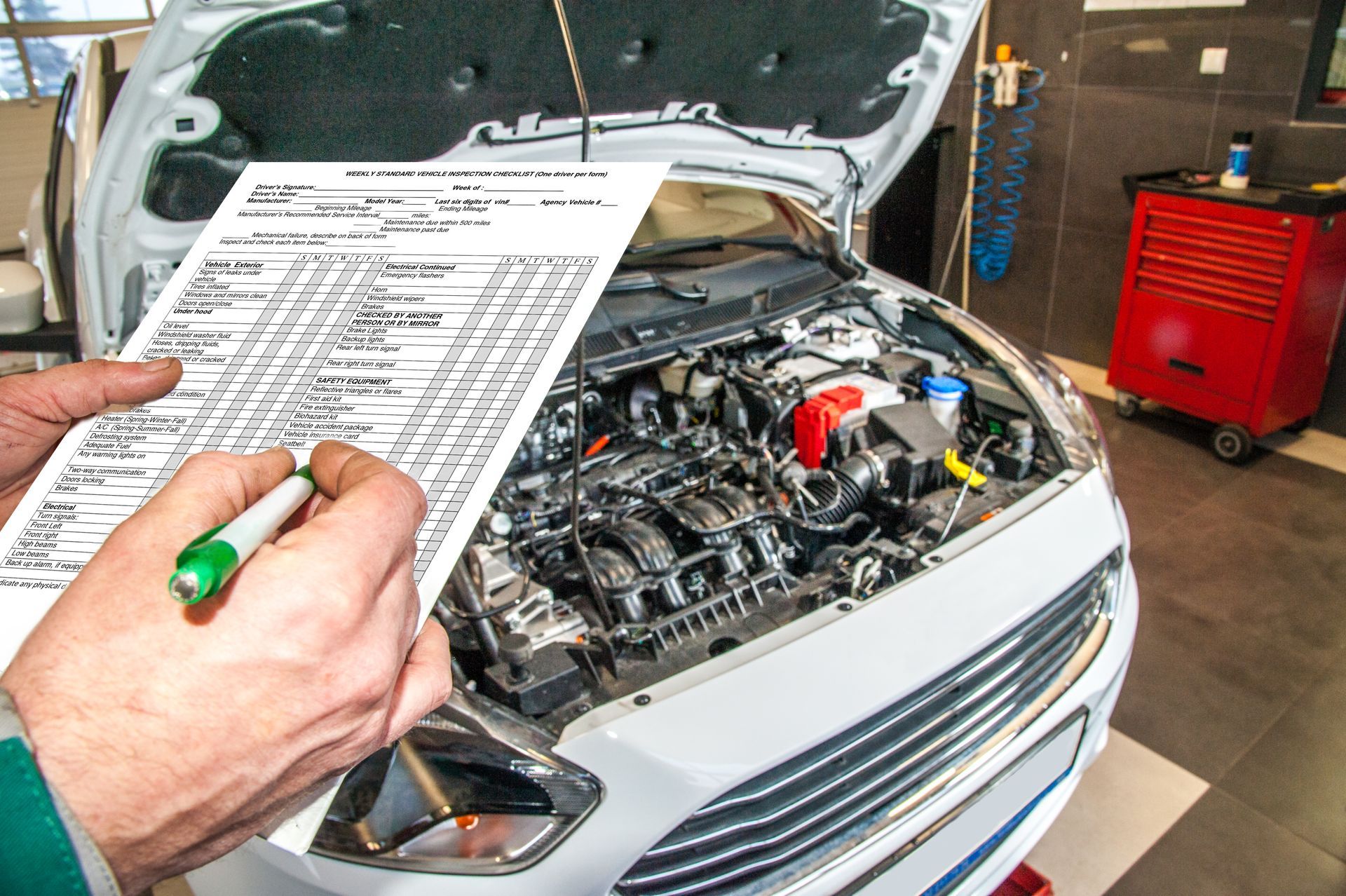
When you bring in a car with a temperature warning concern, a thorough check will usually include:
- Inspecting coolant level and condition in the reservoir
- Pressure-testing the system for leaks
- Confirming thermostat operation and cooling fan engagement
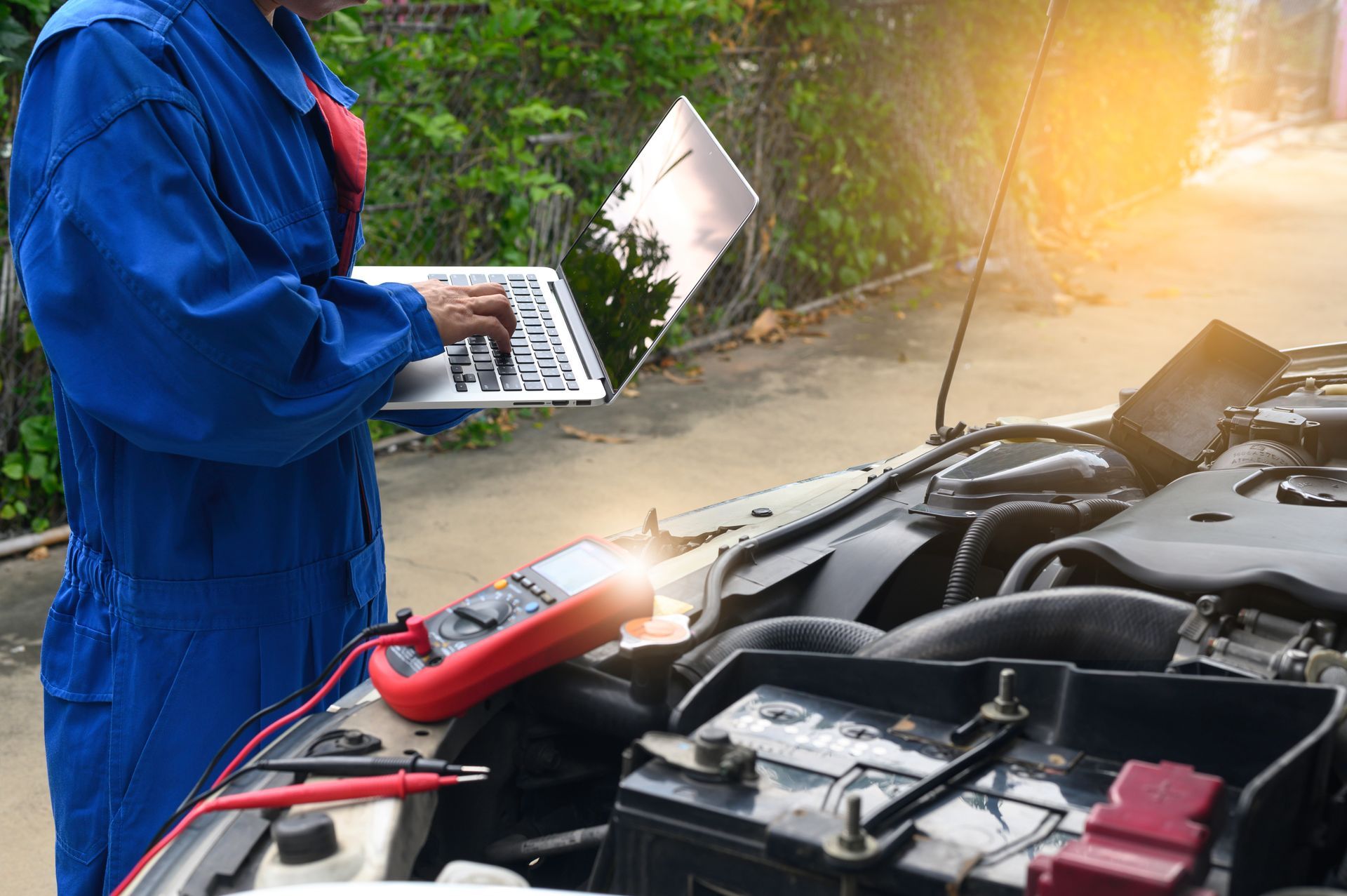
- Scanning for related fault codes and comparing them with live readings
From those results, a technician can tell whether you are looking at a straightforward cooling system repair or early signs of deeper engine damage. The earlier that inspection happens, the more likely it is that you are still in the “simple fix” category.
Get Engine Temperature Warning Light Help in East Amherst, NY with Gerry's Service
If your engine temperature warning light has come on or your gauge has been creeping higher than normal, this is the right time to have the cooling system checked. We can test for leaks, verify that the thermostat and fans are working correctly, and explain what it will take to solve the problem so the light stays off for the right reasons.
Schedule a visit with
Gerry's Service in East Amherst, NY, and we will help keep your engine running at a safe, steady temperature.