Reaching 75,000 miles is an important point in a vehicle’s life. The car may still feel dependable, start easily, and drive much as it did several years ago, but many fluids, filters, belts, hoses, and wear items have now spent thousands of hours exposed to heat, vibration, traffic, and changing weather.
This mileage is a good time to look beyond a basic oil change and review the vehicle as a complete system. Not every car needs the same services at exactly 75,000 miles, so the maintenance history, manufacturer recommendations, age, and driving conditions should guide the plan.
Start With The Vehicle’s Service History
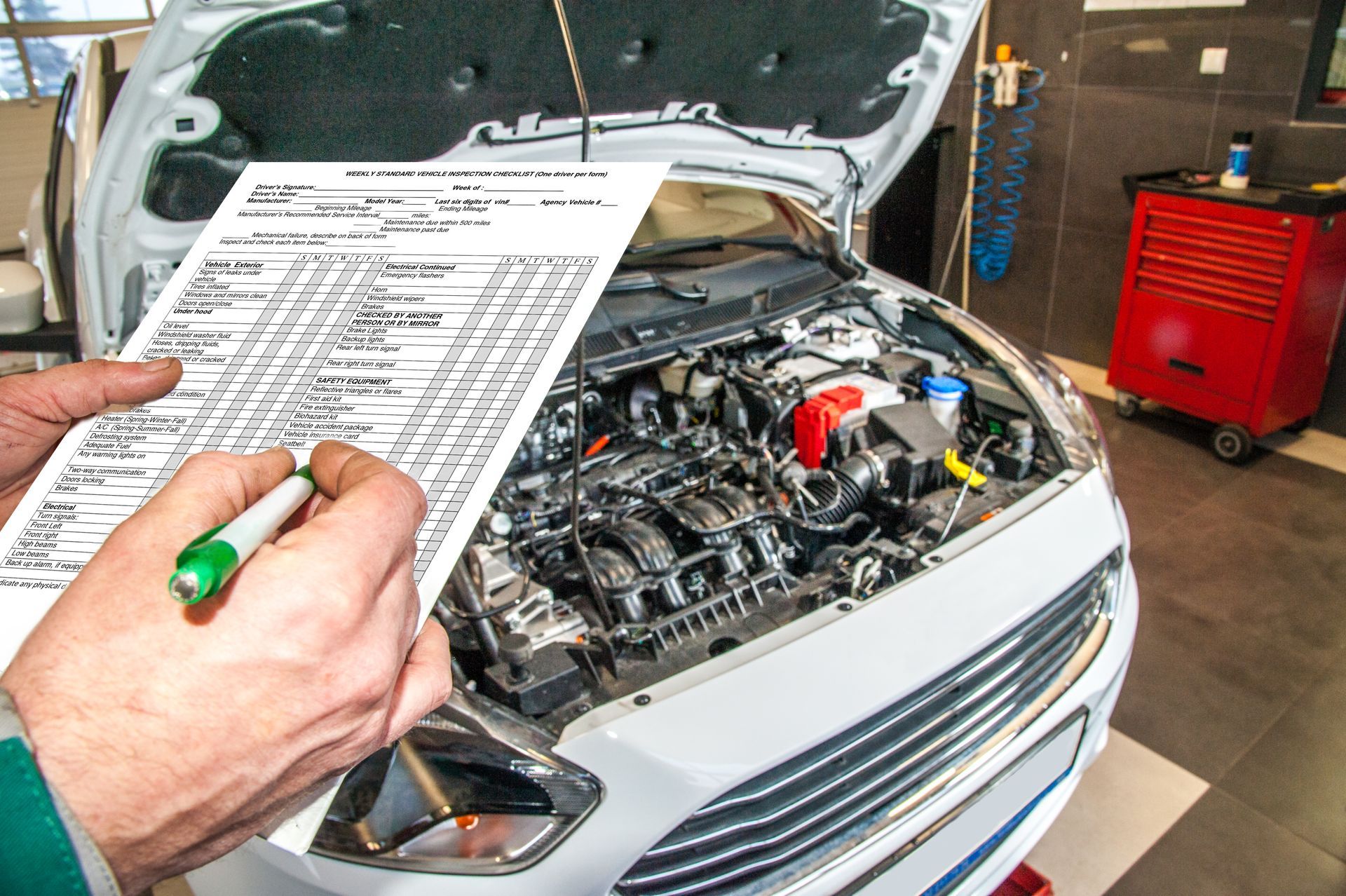
Before replacing anything, check which services have already been completed. A vehicle that received spark plugs, coolant, transmission fluid, and brake service at 60,000 miles may need a much shorter list than one with missing records. Reviewing receipts and previous inspection notes can prevent work from being repeated too soon.
The owner’s manual is another useful starting point because service intervals vary by engine, transmission, and drivetrain. Some items are based mainly on mileage, while others are affected by time. A low-mileage vehicle can still have old brake fluid, aging coolant, brittle belts, or a weak battery simply because the parts have been in service for several years.
Check The Engine Oil And Look For Leaks
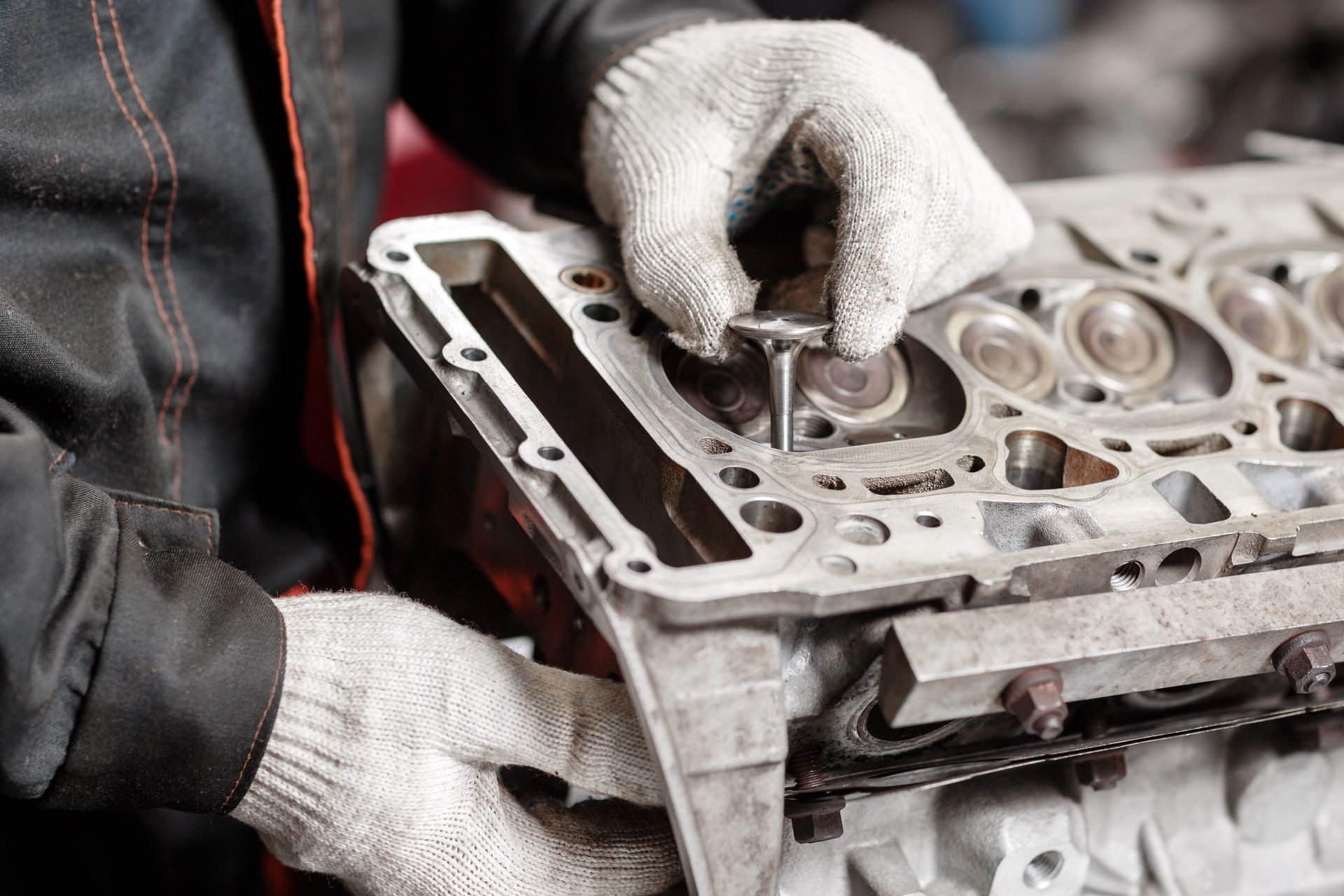
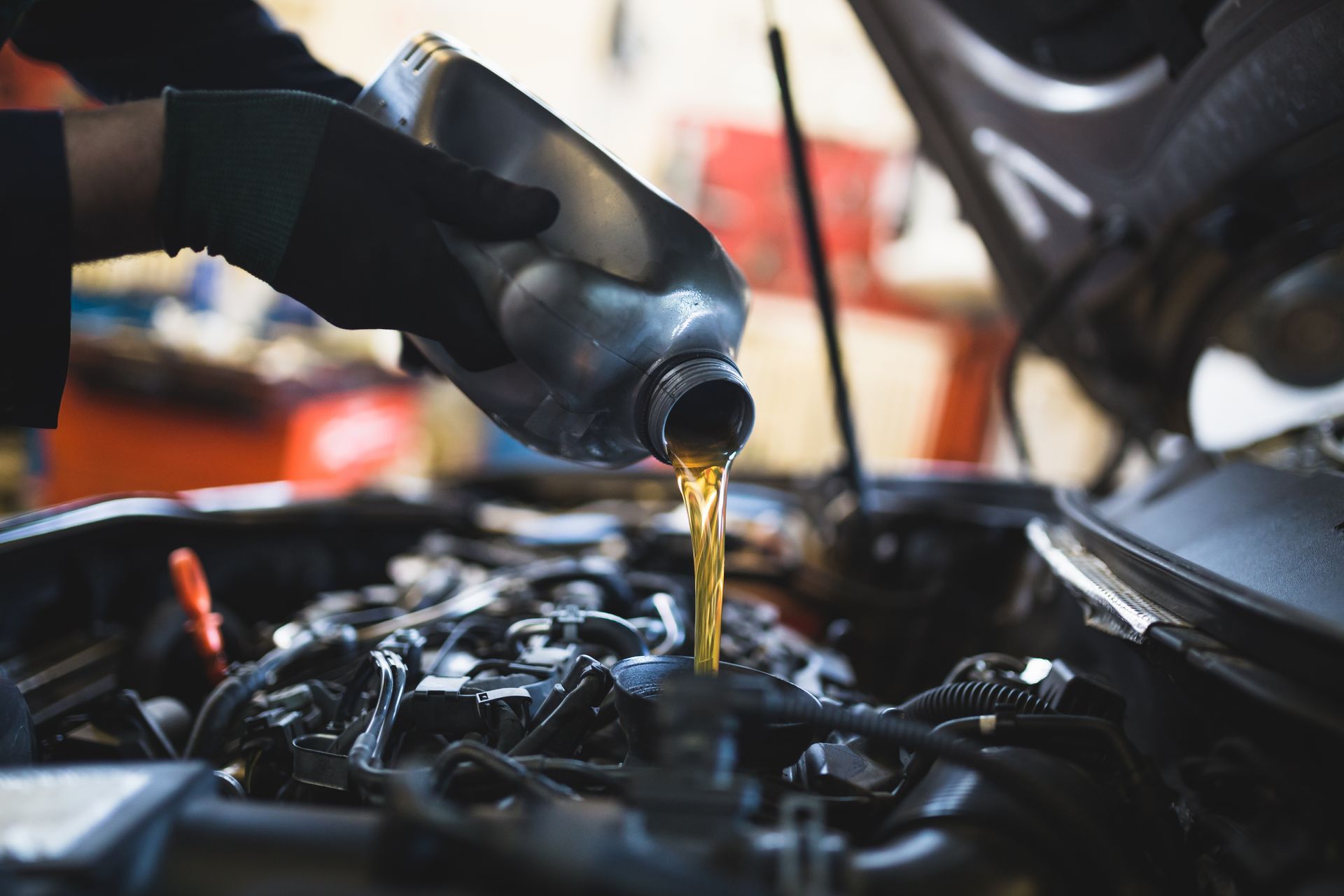
Engine oil and filter replacement remain central to regular maintenance, but a 75,000-mile visit should include more than draining the oil. Seals and gaskets may begin seeping as they age, especially around valve covers, oil pans, timing covers, filter housings, and crankshaft seals.
A small leak may first appear as a damp area rather than a puddle. Catching it early helps keep oil away from belts, engine mounts, exhaust parts, and electrical connections. The oil level should also be monitored between services because some engines begin consuming more oil as mileage increases.
Review The Transmission And Drivetrain Fluids
Transmission fluid works as a lubricant, coolant, and hydraulic fluid in an automatic transmission. Over time, heat breaks down its additives, allowing debris from normal wear to accumulate. If the fluid has never been serviced, 75,000 miles is a reasonable point to review its condition and the manufacturer’s recommended procedure.
Four-wheel-drive and all-wheel-drive vehicles may also have transfer case and differential fluids that are easy to overlook. These fluids protect gears, bearings, and internal clutches. Leaks, old fluid, or mismatched tire wear can place extra strain on the drivetrain, so all related components should be considered together.
Inspect The Cooling System Carefully
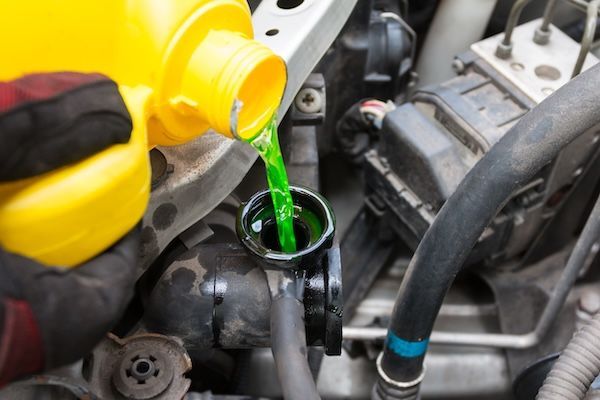
Coolant protects the engine from overheating, freezing, and internal corrosion. Its protective additives weaken with age, even when the reservoir still looks full. The correct service interval depends on the coolant type and vehicle, so color alone should not decide whether replacement is due.
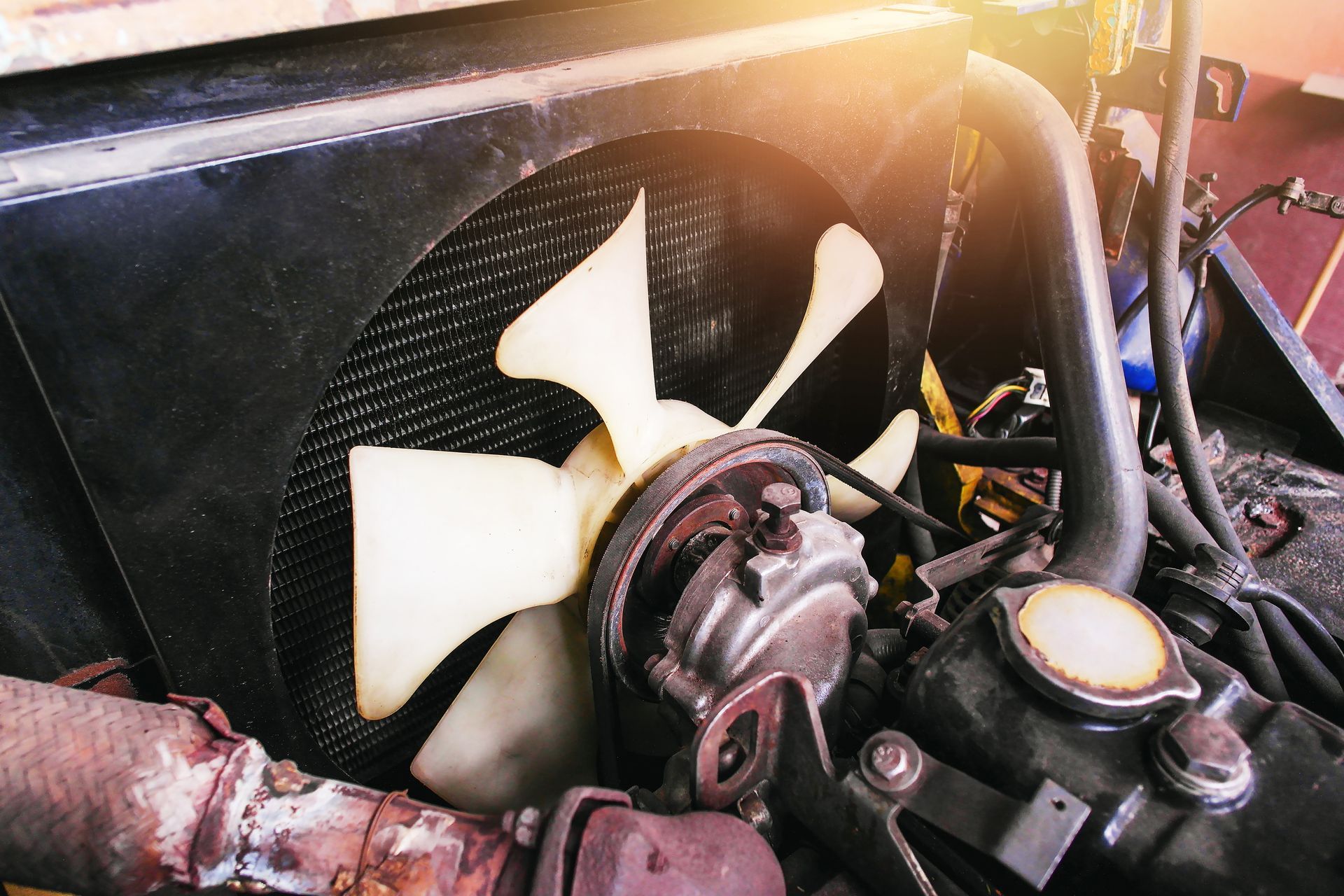
The cooling system inspection should include the radiator, hoses, clamps, water pump, thermostat area, expansion tank, and radiator cap. Plastic fittings and tanks can become brittle after years of heat cycles. A faint sweet smell, dried residue, or slow drop in coolant level can be an early sign of a leak.
Spark Plugs And Ignition Parts May Be Due
Many vehicles use long-life spark plugs, but their replacement intervals vary widely. Some are due before 75,000 miles, while others may last longer. Worn plugs can cause slower acceleration, rough idle, reduced fuel economy, long starting, and extra strain on the ignition coils.
Ignition coils do not always need replacement as part of scheduled service, but they should be checked if the engine begins hesitating or misfiring. Coil boots, connectors, and plug wells can also reveal oil or moisture contamination. Replacing overdue spark plugs before they cause a steady misfire can help protect the catalytic converter.
Brake Fluid, Pads, And Rotors Need A Full Check
Brake pad thickness is only one part of brake condition. Rotors can develop scoring, rust, heat spots, or thickness variations, while calipers and slide pins may begin to stick. Brake hoses and metal lines should also be checked for cracking, corrosion, and leaks.
Brake fluid absorbs moisture over time, which lowers its heat resistance and can contribute to corrosion within hydraulic components. If the fluid has never been changed or its service history is unclear, testing it at 75,000 miles can help determine whether service is appropriate.
Tires, Alignment, And Suspension Show Accumulated Wear
By 75,000 miles, the vehicle may have gone through several sets of tires, numerous potholes, and years of turning, braking, and carrying passengers. Shocks, struts, control arm bushings, sway bar links, tie rods, ball joints, and wheel bearings should all be checked for looseness, leakage, or damaged rubber.
Uneven tire wear often provides the first clue. Inner-edge wear, cupping, feathering, or one tire wearing faster than the others can indicate alignment or suspension issues. Replacing tires without correcting the cause may shorten the life of the next set.
Belts, Hoses, Filters, And The Battery Deserve Attention
Drive belts can become glazed, cracked, stretched, or contaminated with oil. Belt tensioners and pulleys also wear, sometimes producing chirping, rattling, or squealing before failure. Coolant hoses, vacuum lines, and air intake tubes should be checked for soft spots, swelling, splits, and loose connections.
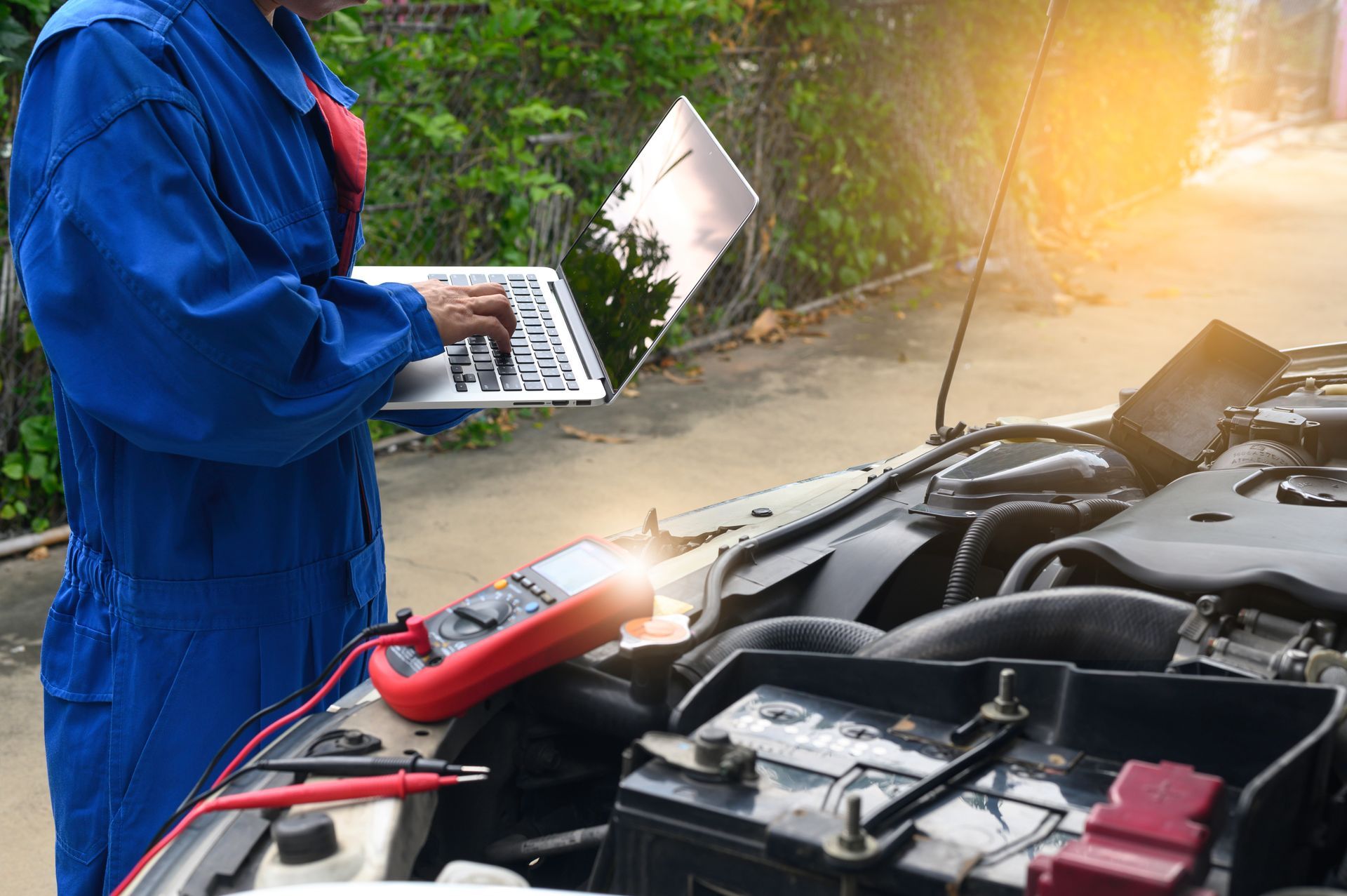
The engine air filter and cabin air filter may also be due, depending on when they were last replaced. Battery testing is worthwhile as well because many batteries do not last through the full journey to 75,000 miles. Slow cranking, corrosion, or low reserve capacity can warn of a problem before the vehicle fails to start.
Build A Plan Instead Of Replacing Everything At Once
A 75,000-mile service does not automatically mean every fluid and component must be replaced. The best approach is to compare the maintenance schedule with service records and the vehicle’s current condition. Safety concerns and overdue services should come first, while items with remaining life can be planned for later.
This approach keeps the visit practical and helps the owner understand what the vehicle needs now, what can wait, and what should be watched. A thoughtful maintenance plan can help the car remain dependable well beyond 100,000 miles without paying for unnecessary work.
Get 75,000-Mile Maintenance In East Amherst, NY, With Gerry's Service
If your vehicle is approaching or has passed 75,000 miles, Gerry's Service in East Amherst, NY, can review its maintenance history and check the fluids, brakes, tires, suspension, belts, hoses, filters, battery, and ignition system.