Cold weather has a way of exposing weaknesses that stay hidden in September. The engine cranks slowly, the dashboard lights dim, or the car turns over normally but refuses to fire. Those sounds lead to very different repairs.
Starting trouble isn't automatically a dead battery, even though battery performance drops as temperatures fall. The most efficient inspection follows the starting process in order, from available electrical power to the engine's ability to run.
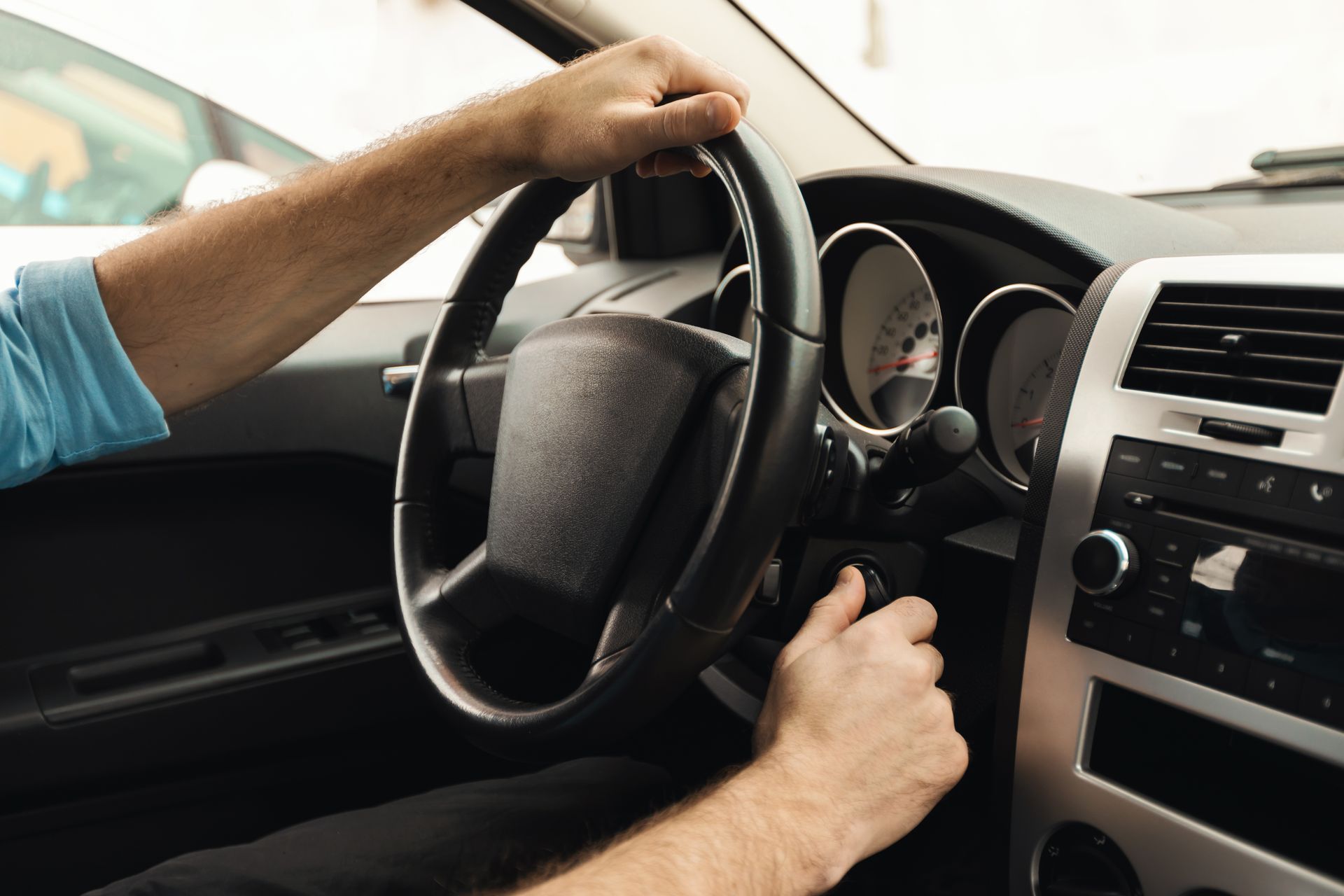
The first clue is what happens the moment you turn the key or press the start button.
First Test: Battery Charge and Starting Capacity
The battery supplies the high current needed to turn the starter motor.
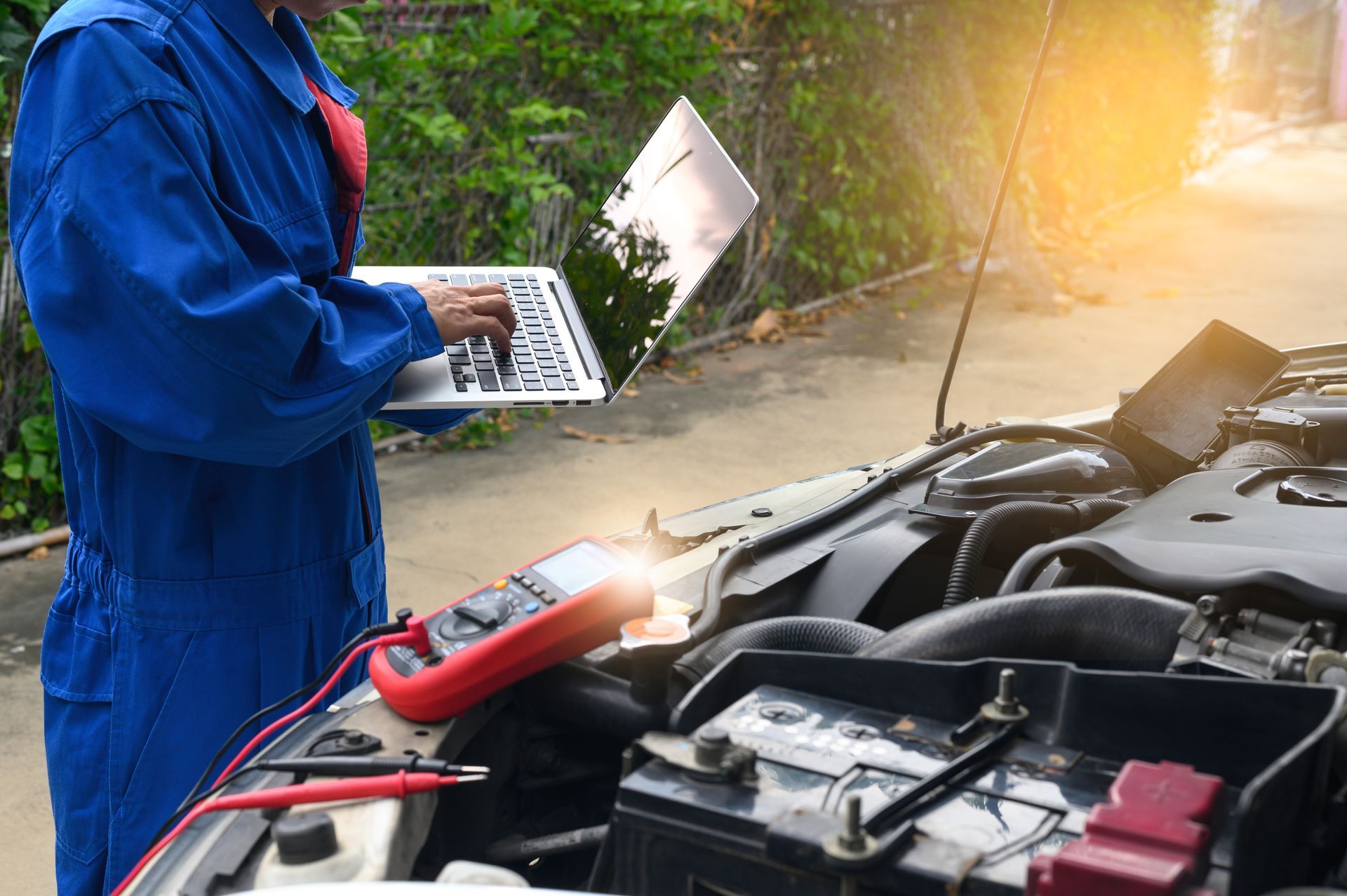
In cold weather, chemical reactions inside the battery slow down while the engine often requires more cranking effort. A battery that barely passed in warm weather often struggles to provide enough power on a freezing morning. A battery test starts with its state of charge. A deeply discharged battery needs proper charging before a reliable capacity test. We check its cold-cranking performance using equipment and settings matched to the battery type. A voltage reading alone doesn't establish health. A battery with normal resting voltage sometimes collapses under starter load.
We start with a charged battery because every later starting test depends on reliable voltage.
Check Battery Terminals, Cables, and Engine Grounds
Corrosion around the battery terminals restricts current flow. So do loose clamps, damaged cables, and poor engine grounds. The dashboard lights look normal even when the battery can't supply the current the starter needs.
Voltage-drop testing during a cranking attempt reveals excessive resistance in the positive or ground circuits. Cleaning or repairing a bad connection is often less expensive than replacing a healthy battery. If the cables heat up during cranking, the electrical path needs closer examination. We verify power reaches the starter before condemning the motor.
Starter Motor and Solenoid Tests in Freezing Weather
A failing starter sometimes produces a single solid click without engine rotation. Other failures cause slow cranking or work intermittently after the vehicle has been driven. Is the starter failing, or is voltage being lost in the battery cables? Cold temperatures change mechanical resistance and can expose worn contacts or internal components that were already close to failing.
We measure cranking voltage and current, then confirm that the starter receives the required control signal. A starter doesn't fail simply because it sounds sluggish once. A weak battery or damaged ground cable produces similar behavior. The testing sequence prevents an expensive motor replacement when the problem is poor electrical supply.
Alternator Output and Battery Drain After Parking
Sometimes the battery passes its capacity test after charging, yet the car is dead every morning. That raises two questions: is the alternator restoring charge during driving, and is something consuming too much power after shutdown?
Modern charging systems adjust output according to operating conditions, so one fixed voltage number isn't enough to judge every model. We examine requested and actual charging behavior under electrical load. If charging tests pass, a parked-current test sometimes uncovers an accessory, relay, or control module that stays awake. A new battery won't solve an overnight drain.
If the battery is low again after parking, tell us how long the car sat and which accessories were on.
Normal Cranking but No Start: Fuel and Ignition Checks
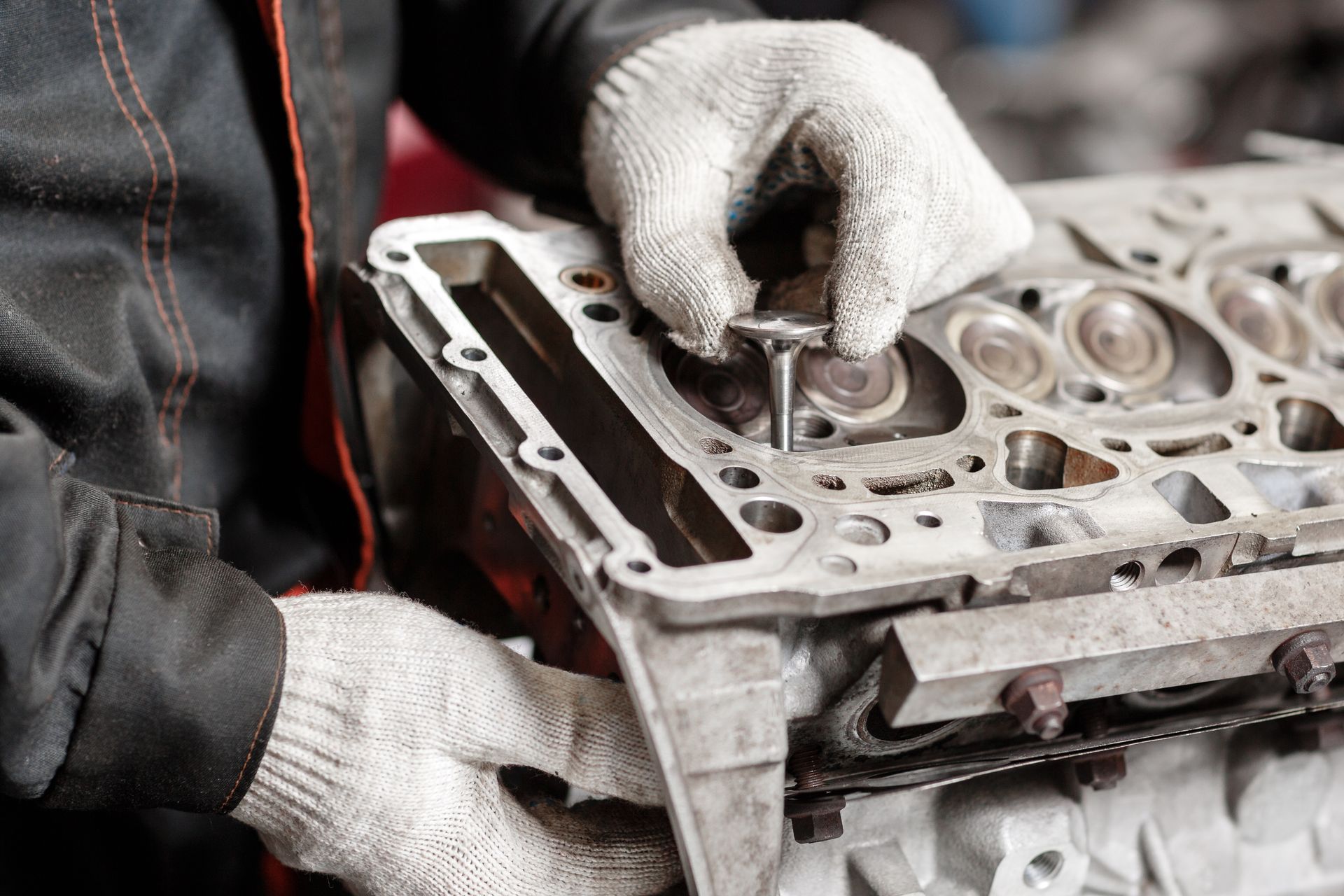
When the starter turns the engine at normal speed, the problem shifts from the starter to combustion. Gasoline engines need correct fuel delivery, ignition, compression, and control information. Cold-weather fuel problems, worn spark plugs, failing ignition coils, and engine temperature sensor faults all interfere with starting.
Diesel engines have additional cold-start requirements, including glow plug operation on many designs and fuel behavior at low temperatures. Testing depends on the specific engine. The engine cranks normally but still won't start. What's next? Changing batteries because the engine refuses to fire makes little sense when it already cranks strongly. We need to follow the actual symptoms.
Details That Help Find a Winter Starting Problem
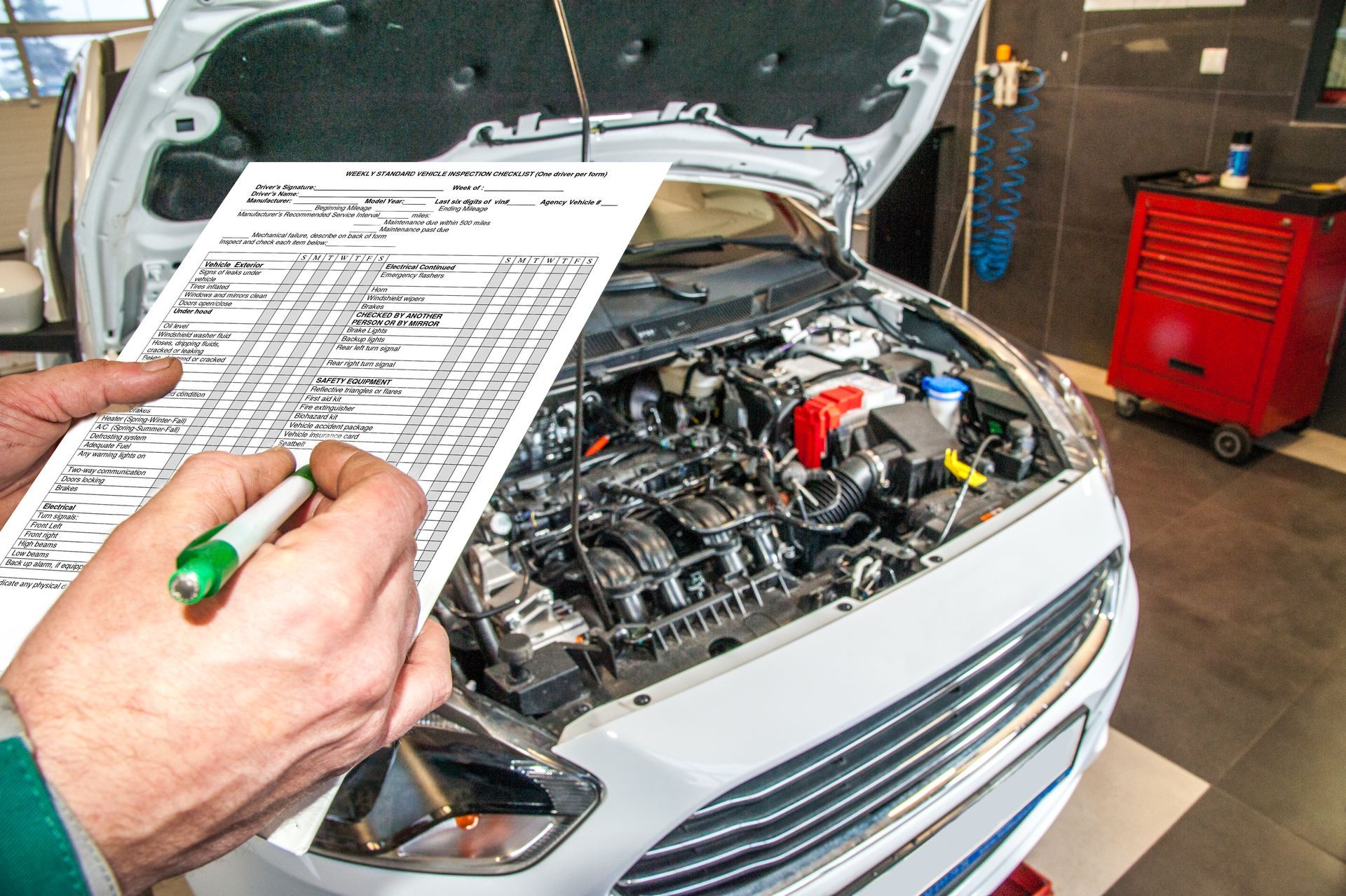
Describe the first attempt before repeated cranking changes the condition. The following observations are especially helpful:
- Slow cranking with dim dashboard lights
- One click and no engine rotation
- Normal cranking without the engine firing
- Starting after a jump but failing again later
- The battery light appearing on the previous drive
Long cranking attempts overheat starting components and drain the battery further. Stop repeated attempts and request service when the cause is unclear. Another clue is how often the problem happens. One failed start after leaving the lights on suggests discharge. A battery that repeatedly tests low after overnight parking points toward a persistent drain. A car that starts strongly after a long highway drive but struggles after several short errands is showing a different pattern. Describe that sequence during the inspection. It can eliminate unnecessary parts replacement.
Engine Oil Viscosity and Short Winter Trips
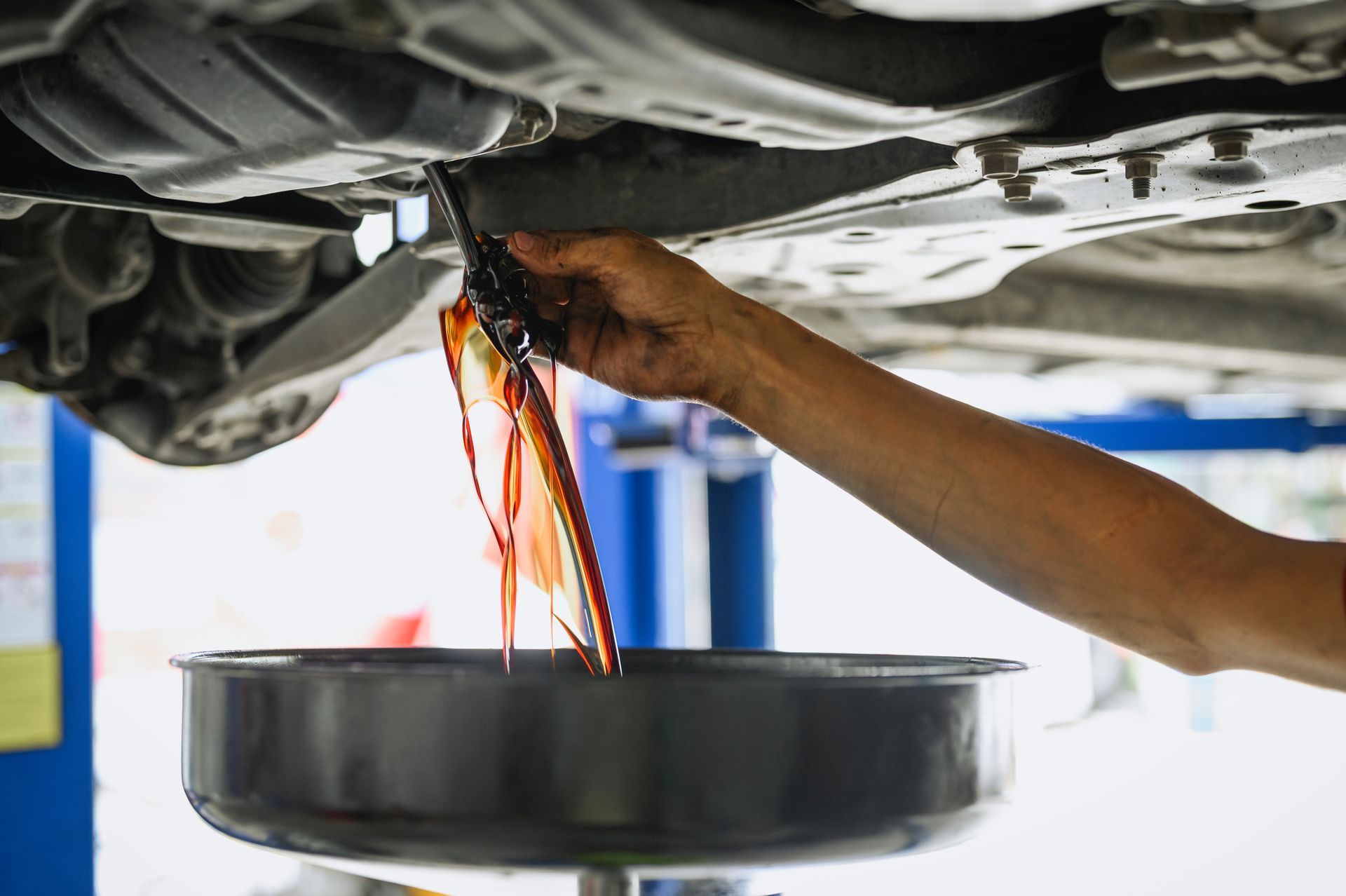
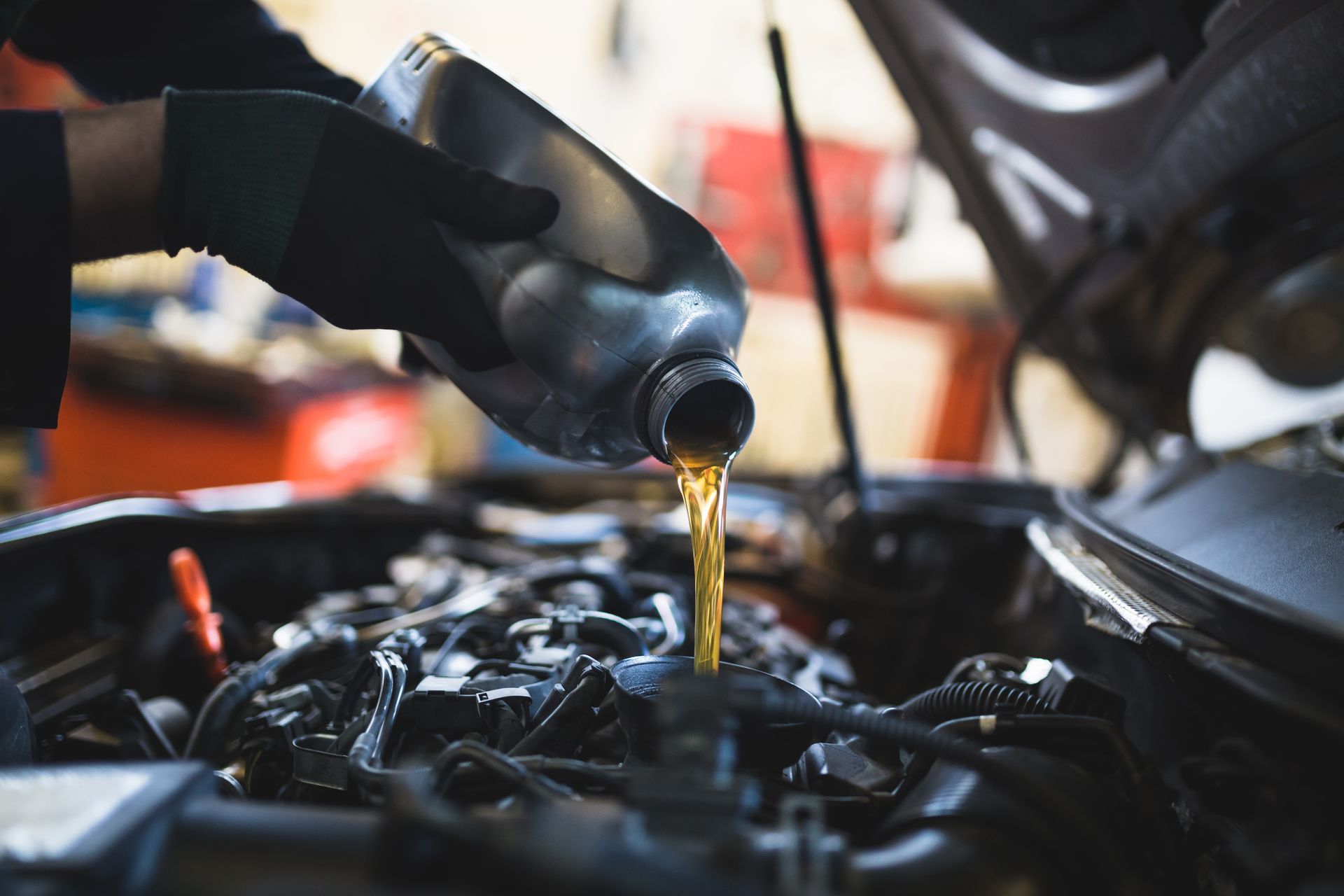
Cold engine oil flows more slowly than warm oil, increasing the effort required to crank until the engine starts.
The correct manufacturer-approved viscosity helps protect lubrication and starting performance. Pouring a random thinner oil into an engine isn't a safe workaround. Very short trips create another problem. The engine uses energy to start. A five-minute drive with the defroster, headlights, and blower running often fails to replace what the battery lost.
Repeating that schedule gradually leaves the battery undercharged. The maintenance plan needs to reflect the car's real winter routine.
Cold-Weather Starting Tests in East Amherst, NY
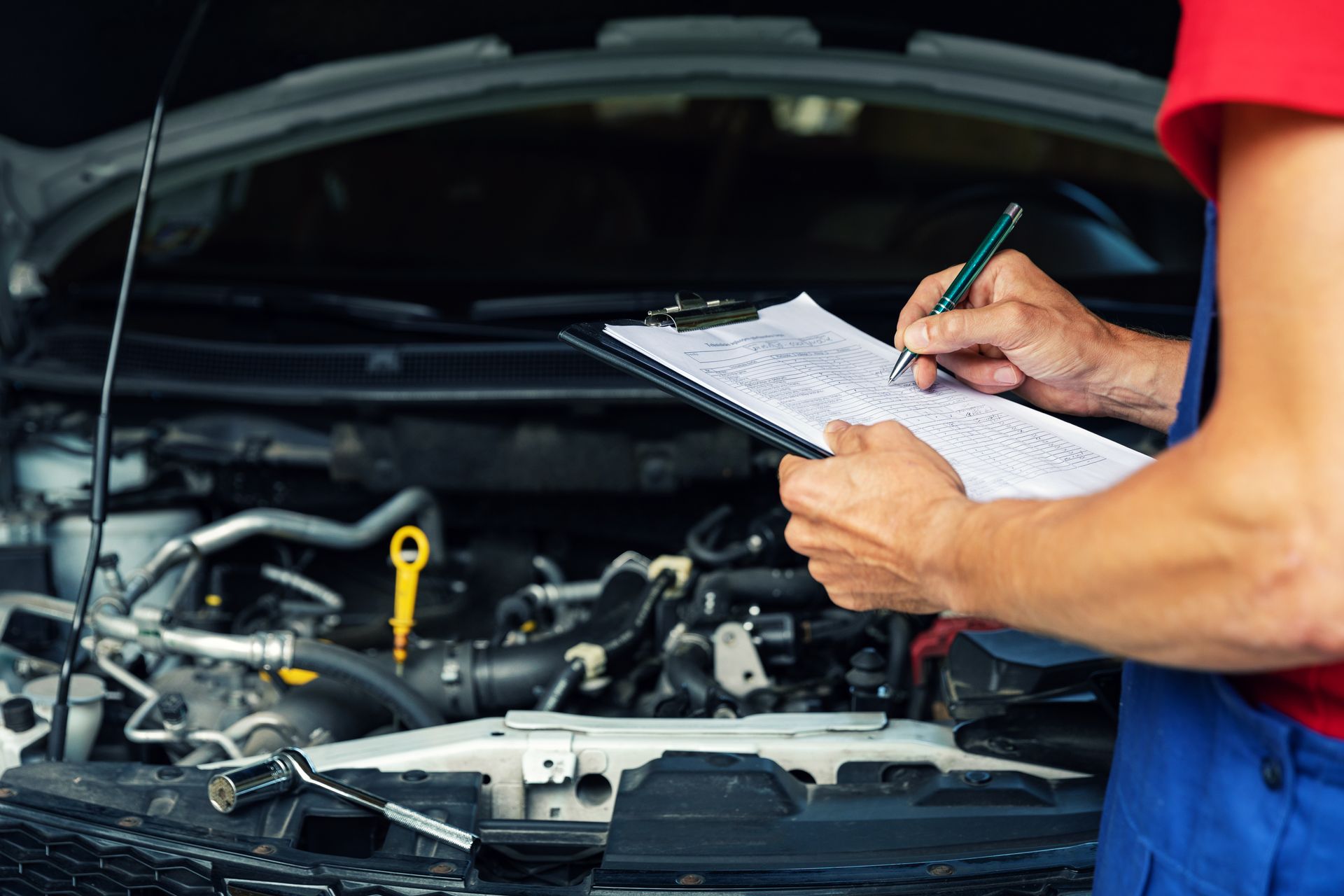
At Gerry's Service in East Amherst, NY, we test the battery, cables, starter, charging system, and engine operation to find why a vehicle struggles to start in cold weather. The sequence begins with the sound and speed of cranking, then follows the evidence.